Apiiro Introduces AI Threat Modeling Built for the AI Coding Agent Era

NEW YORK – Agentic application security platform provider Apiiro today announced AI Threat Modeling, a new capability within Apiiro Guardian Agent that automatically generates architecture-aware threat models to identify security and compliance risks before code exists. AI Threat Modeling allows enterprises to prevent risks at the speed of AI, whether developing first-party applications, delivering third-party applications … continue reading

The post Apiiro Introduces AI Threat Modeling Built for the AI Coding Agent Era appeared first on SD Times.
Agentic AI Requires Local CI

Over the past two years, the pace of innovation for AI code assistance has been nothing short of astounding. We’ve moved from “enhanced autocomplete” systems to ecosystems of AI agents capable of completing complex tasks and cranking out prodigious amounts of code. At the same time, developers are being asked to build, test, and deploy … continue reading

The post Agentic AI Requires Local CI appeared first on SD Times.

Uber Automates Design Documentation with Agentic Systems

Uber’s uSpec uses AI agents and the Figma Console MCP to automate design specs, cutting documentation time from weeks to minutes. Integrated with the Michelangelo platform, it uses a GenAI Gateway for PII redaction, ensuring data stays local. This reflects a 2026 industry shift between Uber’s “Visual-First” Figma workflow and a “Guide-First” approach favored by developers using agentic IDEs.

By Patrick Farry

AI Coding Assistants Haven’t Sped up Delivery Because Coding Was Never the Bottleneck

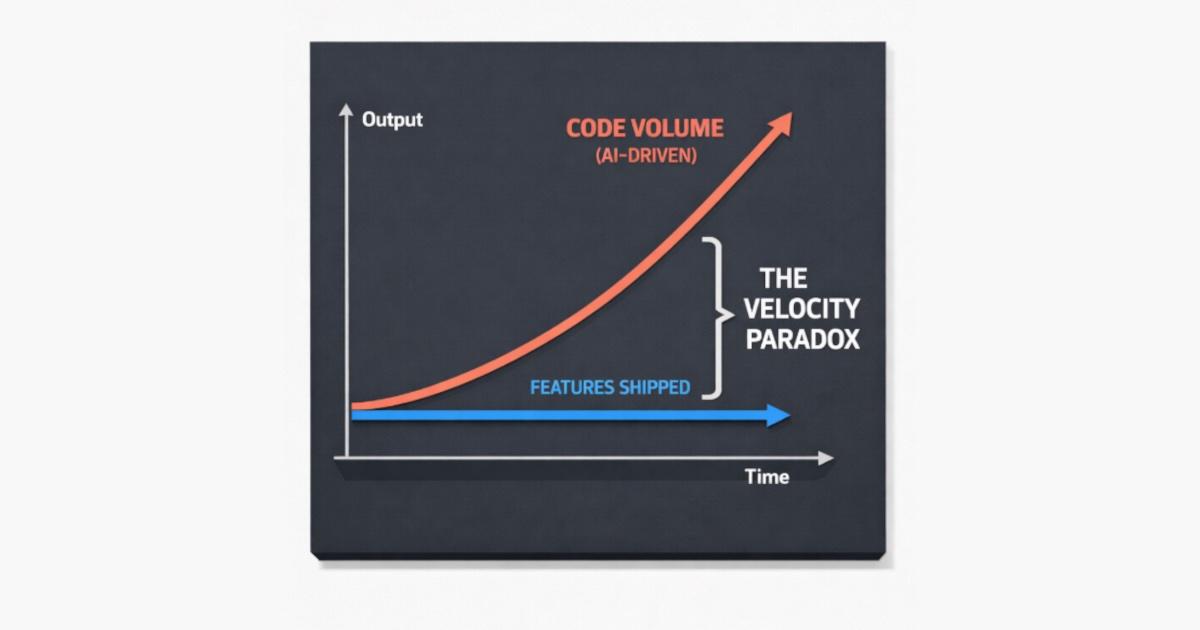
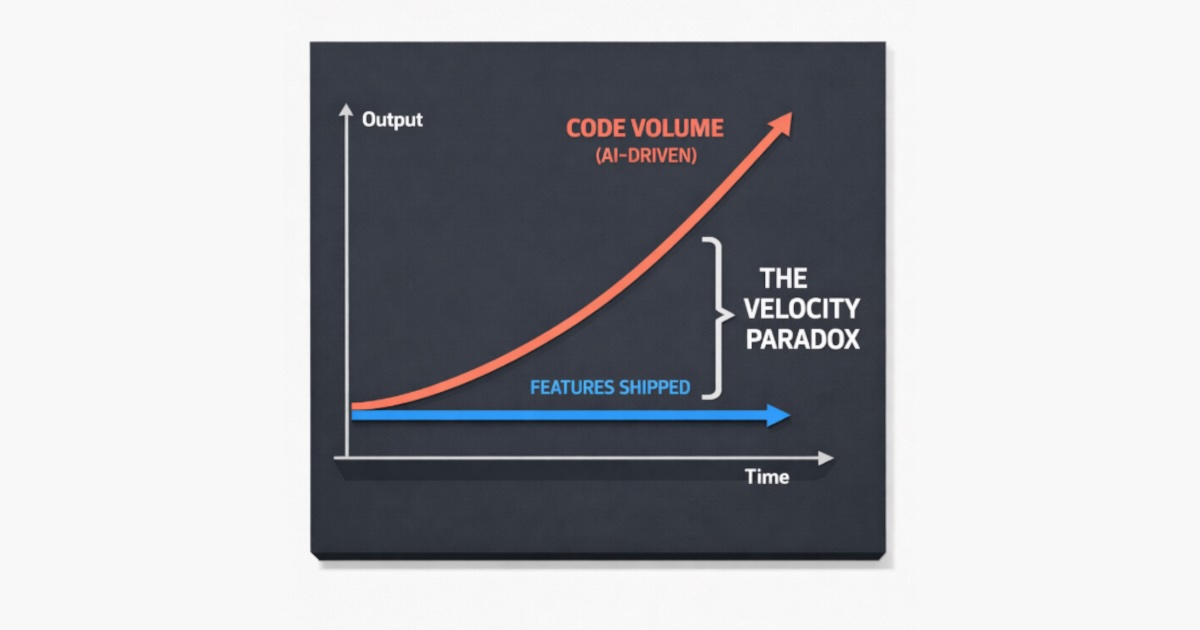
Agoda recently published an observation arguing that while AI coding tools have measurably raised individual developer output, the resulting velocity gains at the project level have been surprisingly modest, because coding was never the real bottleneck. The post claims that the bottleneck has shifted upstream to specification and verification because these areas require human judgment.

By Eran Stiller

Presentation: From Friction to Flow: How Great DevEx Makes Everything Awesome

Nicole Forsgren discusses the “AI Productivity Paradox”, explaining why generating code faster often makes deployment bottlenecks more expensive. She shares the DevEx framework to help architects and leaders systematically remove friction. Learn how to use DORA metrics and RICE prioritization to make a data-driven case for platform health.

By Nicole Forsgren