

clean code
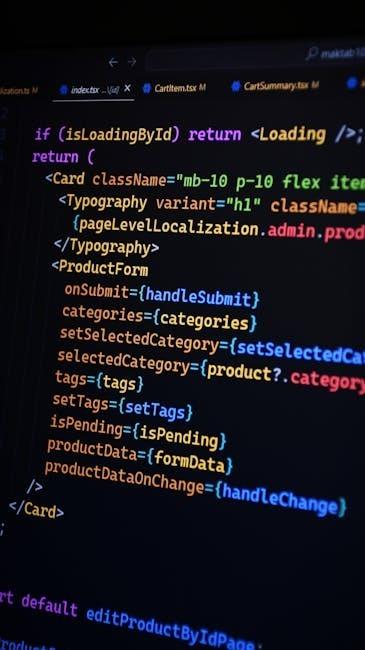

The Power of Clean Code: Unlocking the Secrets to Better Software Development
As a developer, you’ve probably heard the phrase “clean code” thrown around, but what does it really mean? Simply put, clean code is code that is easy to read, maintain, and extend. It’s the foundation of good software development, and it’s essential for creating high-quality applications that stand the test of time. In this post, we’ll dive into the world of clean code and explore the best practices that’ll take your coding skills to the next level.

Why Clean Code Matters
Clean code is not just a nicety; it’s a necessity. When your code is clean, it’s easier to debug, test, and maintain. This means you’ll spend less time tracking down bugs and more time adding new features and functionality to your application. Clean code also makes it easier for other developers to understand and work with your code, which is especially important in team environments. By following best practices, you’ll be able to write code that is modular, scalable, and efficient.
Best Practices for Writing Clean Code
So, how do you write clean code? Here are some best practices to get you started:

- Keep it Simple: Avoid complex, convoluted code that’s hard to understand. Instead, opt for simple, straightforward solutions that get the job done.
- Use Meaningful Names: Use descriptive variable and function names that clearly indicate what they do. This will make your code easier to read and understand.
- Avoid Duplicate Code: Don’t repeat yourself. If you find yourself writing the same code over and over, consider creating a function or module that can be reused.
- Use Comments: Comments are essential for explaining what your code does and why. Use them to provide context and clarify any complex sections of code.
- Test Your Code: Testing is essential for ensuring your code works as expected. Write unit tests and integration tests to catch any bugs or errors.
- Refactor Mercilessly: Don’t be afraid to refactor your code to make it better. This means simplifying complex sections, removing unnecessary code, and improving performance.
The Benefits of Clean Code
By following these best practices, you’ll be able to write clean code that is maintainable, efficient, and easy to understand. The benefits of clean code are numerous, including:
- Reduced Debugging Time: With clean code, you’ll spend less time tracking down bugs and more time adding new features.
- Improved Collaboration: Clean code makes it easier for other developers to understand and work with your code.
- Increased Productivity: By writing clean code, you’ll be able to work more efficiently and get more done in less time.
- Better Performance: Clean code is often more efficient and scalable, which means your application will perform better and handle more users.

Conclusion
Clean code is not just a buzzword; it’s a way of life. By following best practices and writing clean, maintainable code, you’ll be able to create high-quality applications that stand the test of time. Remember, clean code is not just about writing code that works; it’s about writing code that is easy to read, understand, and maintain. So, take the time to learn about clean code and start writing better code today. Your future self (and your colleagues) will thank you.
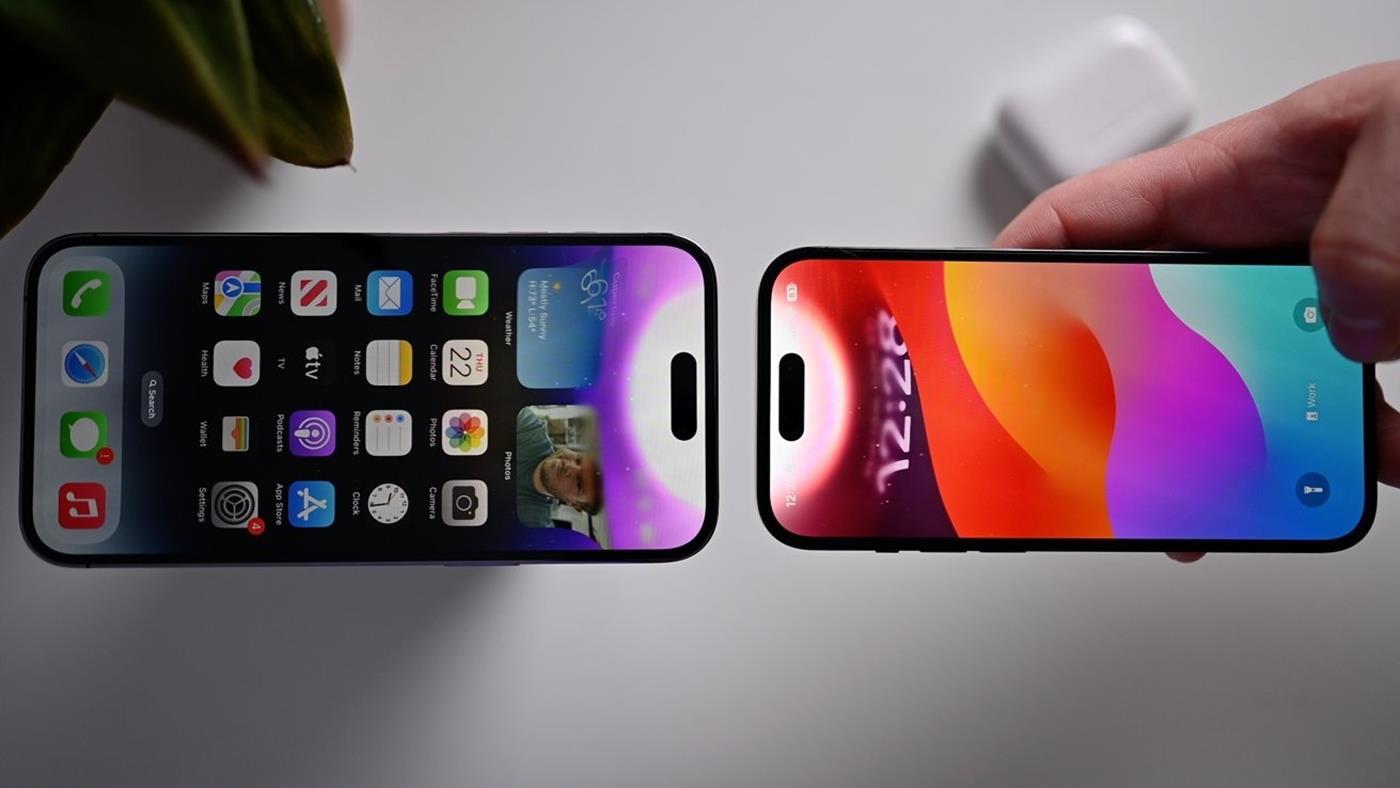
 Android, AirDrop benzeri yeni bir dosya ve iletişim bilgileri paylaşımı özelliği üzerinde çalışıyor. Quick Share üzerinden çalışacak sistemin Android 17 ile gelmesi bekleniyor.
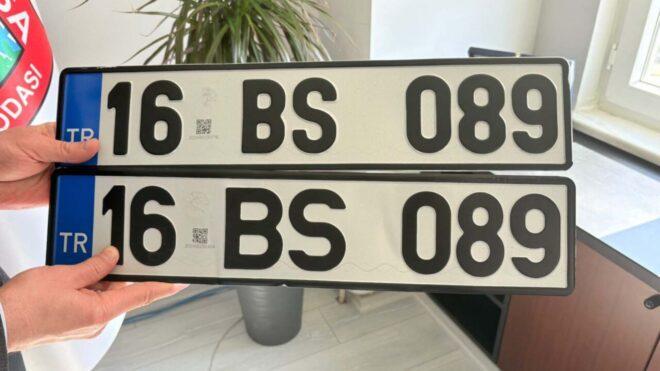
 Sabah Gazetesi’nde yer alan iddiaya göre sürücülerin APP plakalarını kurallara uygun hale getirebilmesi için 1 Nisan’a kadar verilen süre, aşırı yoğunluğa bağlı olarak Türkiye Şoförler ve Otomobilciler Federasyonu’nun (TŞOF) talebi doğrultusunda 1 Ocak 2027 tarihine kadar uzatıldı. Habere göre İçişleri Bakanlığı, plaka basımında tek yetkili kılınan TŞOF’a da yaptırım öngörüyor. Şoförler Odası’na APP plakalarını yasaya uygun plaka haline getirmeleri için 1 Ocak 2027’ye kadar süre verileceği aktarılıyor. Aksi halde 180 gün süreyle plaka basma yetkilerinin iptal edileceği ve ayrıca görevi suiistimalden suç duyurusunda bulunulacağı belirtiliyor. Yeni dönemde oda tarafından basılan plakaların görsellerinin bir örneğinin Emniyet sistemlerinde saklanacağı ve plaka üzerinde kimin oynamaya yaptığının ya da plakanın yönetmeliğe aykırı basılıp basılmadığının bu şekide kontrol edileceği söyleniyor. Odaya, yönetmeliği aykırı basılan her plaka için 10 bin lira ceza kesilebileceği de paylaşılan yeni bilgiler arasında yer alıyor.

 Android Authority tarafından aktarıldığı kadarıyla Android 17 için hazırlanan Beta ve Canary sürümlerinde “Tap to Share” olarak geçen yeni bir özellik yer alıyor. NFC temelli bu özellik, telefonların birbirine yaklaştırılmasıyla dosya paylaşımına imkan tanıyor. Tüm Android cihazlara sunulması beklenen özelliğin, Samsung tarafından One UI 9’a da entegre edileceği belirtiliyor. Dosya paylaşımını destekleyen cihazlarda çok daha hızlı hale getirecek özelliğin yakında detaylandırılması bekleniyor. Bu özellik akla ilk olarak, Apple’ın iOS 17 işletim sistemiyle birlikte sunduğu benzer temelde doğrudan kişi paylaşımına odaklanan “NameDrop” özelliğini getiriyor.