This article comes from a question I keep getting from developers working in JavaScript and Python ecosystems: “Why are you building AI systems with Laravel?” It usually comes up in Slack threads, code reviews, or on X, and more often than not there’s some skepticism behind it. With Node.js and Python dominating most AI conversations, Laravel isn’t the obvious choice. But after using it to build and run real systems, I’ve found that assumption doesn’t really hold up.
The Noise Gets Louder Every Year
Open any developer forum right now and the message is consistent. Python for AI. Node for APIs. Go for infrastructure. The JavaScript ecosystem has colonised the frontend and is making a serious run at the backend. Python owns the ML research pipeline and, by extension, a growing portion of production AI services.
The noise is real. And it’s loud.
When OpenAI shipped their Python SDK first, and their Node SDK second it sent a signal. When LangChain became the default mental model for AI agent architecture, it was written in Python. When the majority of AI tutorials you find online begin with pip install, you start to wonder whether your technology choice has quietly become an act of stubbornness.
It hasn’t. But you do need a clear-headed reason to stay. “PHP has come a long way” is not that reason. A genuine architectural argument is.
Let’s Be Honest About What Node and Python Actually Offer
Node is fast. Non-blocking I/O was genuinely transformative when it arrived, and for high-concurrency, low-computation workloads it remains a defensible choice. The npm ecosystem is enormous. TypeScript has matured to the point where large Node codebases are actually maintainable. I’m not here to dismiss it.
Python’s position in AI is structural, not accidental. The scientific computing ecosystem — NumPy, PyTorch, Hugging Face Transformers, was built in Python because that’s where ML researchers lived. That inertia doesn’t disappear. If you’re training models, fine-tuning, or doing anything below the inference layer, Python is the correct tool. Full stop.
But here’s the thing most of these comparisons consistently miss. The majority of us are not building model-training pipelines. We’re building applications that consume AI APIs. We’re wiring GPT-4o or Claude Sonnet into business logic, user interfaces, queue workers, and database-backed workflows. That is a very different problem. The 2025 Stack Overflow Developer Survey, with responses from over 49,000 developers, puts some hard numbers against the landscape we’re all navigating:

Source: Stack Overflow Developer Survey 2025 (49,000+ respondents). Usage = % of all respondents reporting active use in the past year. Ratings reflect relative strength within each category; all frameworks are production-capable. Node.js 2025 figure reflects SO methodology consolidation – direct comparison with 2024 (42.7%) is approximate.
The usage figures are worth sitting with for a moment. Node.js dominates at nearly half of all respondents, but look at the full-stack fit and AI ecosystem scores. High adoption does not mean best fit for the problem at hand. FastAPI is the fastest-growing framework in the survey, up five percentage points year-on-year, and it earns its AI ecosystem score. If you are building a dedicated inference microservice, FastAPI is a serious option. But Laravel’s full-stack cohesion score is the relevant column for the majority of us building complete, stateful applications around AI features. No other framework in this comparison comes close on that dimension.
Laravel for AI Development Is Not a Compromise
The framing I keep pushing back on is that choosing Laravel for AI development means accepting a trade-off. That you’re surrendering capability in exchange for developer ergonomics. In 2026, that framing is simply wrong.
Laravel ships with a queue system that handles background AI jobs cleanly and at scale. Redis integration is first-class – which matters the moment you start caching embeddings or enforcing per-user rate limits on API consumption. Horizon gives you real-time visibility into your queue workers without standing up a separate observability tool. Reverb brings WebSocket support in-house, which is directly relevant when you’re streaming LLM responses to a frontend in real time. Octane keeps your application warm between requests, reducing cold-start overhead that becomes noticeable in latency-sensitive AI features.
None of this requires third-party assembly. It is cohesive, well-documented, and it behaves predictably under load.
Compare that to a Node AI backend assembled from Express, BullMQ, Socket.io, and Prisma. Each of those is a capable library. Together, they are a distributed maintenance surface. The integration points between them are where your bugs live at 2am.
The Service Container Is Still the Best Idea in Backend Development
I’ve worked across enough stacks to have a view on this. Nothing in most ecosystems matches the elegance of Laravel’s Service Container for managing application complexity at the point where it actually gets complex.
When your AI integration grows beyond a single API call you need somewhere to put the abstraction. Provider contracts, retry logic, fallback behaviour, token accounting, telemetry hooks. The Service Container lets you bind all of that behind an interface and swap implementations without touching the business logic that depends on them. It’s the kind of architectural freedom that sounds theoretical until the day you need to switch from OpenAI to Anthropic under a tight deadline – and you do it in one service provider file, not forty controller methods.
If you’ve been following the production on my blog, you’ll recognise this exact approach from our piece on Production-Grade AI Architecture in Laravel: Contracts, Governance & Telemetry — binding AI providers behind contracts isn’t just clean code, it’s the architectural difference between an AI feature and an AI-dependent liability.
Eloquent Doesn’t Get Enough Credit in the AI Conversation
Everyone talks about the inference layer. Nobody talks about the data layer. But AI applications are deeply stateful. Conversation history, user context, embedding vectors, usage logs, rate-limit counters, prompt version records – all of it needs to live somewhere reliable, queryable, and maintainable.
Eloquent ORM, combined with PostgreSQL and pgvector for semantic search, handles this with a maturity that ORMs in younger ecosystems are still building toward. Eloquent scopes make filtering conversation history by user, session, or token budget trivially readable. Eloquent events let you hook telemetry into model persistence without polluting your service logic. The relationship system means your AI-related domain models compose naturally with the rest of your application data.
This is the part of the stack that’s invisible when everything works and catastrophic when it doesn’t. Laravel’s data layer has fifteen years of production hardening behind it. That’s not a minor detail.
The Ecosystem Has Quietly Caught Up
The argument that Laravel lacks AI tooling was fair eighteen months ago. It is not fair now.
Prism PHP brings a unified, multi-provider AI interface to Laravel – supporting tool calling, RAG pipelines, and streaming, without you writing SDK glue code by hand. We’ve covered what that looks like in practice in our guide to building agentic Laravel apps with Prism PHP, and the developer experience is genuinely impressive. The abstraction is clean, provider support is broad, and it composes naturally with the Service Container patterns you’d already be using. Beyond Prism, the broader package ecosystem has responded: prompt versioning tools, queue-based AI pipeline packages, vector search integrations. The gaps are closing fast.
Taylor Otwell and the core team have also signalled clearly that AI tooling is a first-party priority on Laravel’s roadmap. When the framework authors treat your use case as a core concern, that is a meaningful long-term signal. The trend data below adds useful context, and the story it tells is more nuanced than the noise in developer forums would have you believe:

Source: Stack Overflow Developer Survey 2020–2025. Usage = % of all respondents reporting active use in the past year. FastAPI was first tracked in 2021. The 2025 Node.js figure (48.7%, dashed) reflects a Stack Overflow methodology consolidation; 2024 figure was 42.7% — direct year-on-year comparison is approximate. Express and Django shown as dashed lines to indicate secondary/framework-layer status vs runtime-level Node.js. 2020–2023 intermediate values for Express, FastAPI, and Laravel are interpolated from published Stack Overflow survey trend commentary.
FastAPI’s trajectory is the most important line on that chart. It is rising sharply, and deservedly so for pure inference workloads. But look at where it is rising from, it has only just crossed Django’s share after four years of consistent growth, and it is still well below Laravel’s current position. Node.js, despite the headline numbers, has been in structural decline since its 2020 peak of 51.4%. Laravel’s decline is real and worth acknowledging honestly, but the rate is shallow, and the developer base that remains is building serious production applications. The community is consolidating around quality, not haemorrhaging. There is a difference.
Developer Velocity Is a Business Metric
Here is the argument that tends to land hardest, and it’s also the most honest one.
Speed of iteration matters more than theoretical capability, especially in the early and middle stages of an AI product. The developer who can ship a working, testable, observable AI feature in a day using Laravel is more valuable than the developer who spends three days assembling a Python FastAPI service with the same surface area of functionality. The gap between “it works locally” and “it works in production” is where Laravel’s ecosystem earns its keep – the test factories, the job batching, the queue introspection, the deployment ergonomics that come with a genuinely mature framework.
This is not tribalism. It’s a productivity calculation. And in 2026, with AI features now expected in virtually every serious web product, the developer who moves fast without breaking things has a structural advantage. Laravel, applied properly, is that advantage.
So Why Do Developers Keep Reaching for Node and Python?
Honestly? Familiarity and social proof. AI tutorials default to Python because that’s where the research originates. JavaScript developers building frontends reach for Node because the context switch is smaller. Neither instinct is wrong, learning inside your comfort zone is rational behaviour.
But comfort zone and best tool are not synonyms.
If you’re a Laravel developer who has been watching the AI conversation happen in other ecosystems, quietly wondering whether you’re missing something, you’re not. The framework you already know is more capable for this problem space than most of what you’ve been reading would suggest. The Service Container, Eloquent, Redis, Horizon, Reverb, Prism – these are not consolation prizes. They’re a coherent, production-tested AI application stack.
You don’t need to leave the ecosystem to build great AI-powered software. You need to go deeper in it.
One More Thing Before You Go
This has been an opinion piece, and I want to be transparent about that. I’ve tried to make the case honestly, acknowledging where Node and Python are genuinely strong, and being specific about where I think Laravel holds its own. Reasonable people disagree with parts of this, and I’d genuinely like to hear where you land.
Have you migrated an AI backend away from Laravel? Did it go the way you expected? Are you running a polyglot stack and making it work? Drop your thoughts in the comments below. This is exactly the kind of conversation worth having in public rather than in private Slack threads where nobody learns anything. If this resonated with you, share it with a developer who’s currently weighing up this decision. The more honest voices in that conversation, the better.



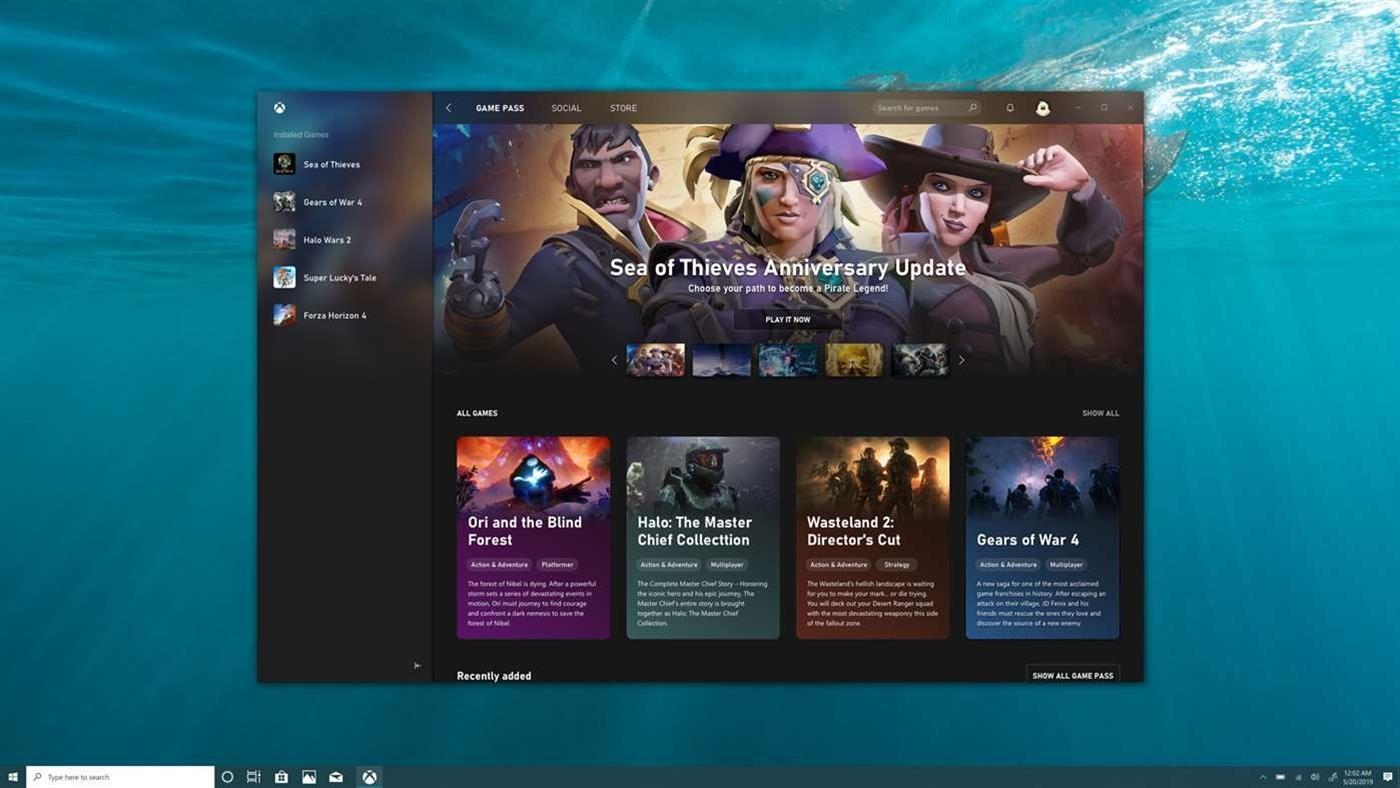
 Microsoft, Xbox uygulamasını sessiz sedasız güncelledi. Yeni sürümle birlikte özellikle taşınabilir cihazlara yönelik görüntü ayarları ve performans iyileştirmeleri geliyor.
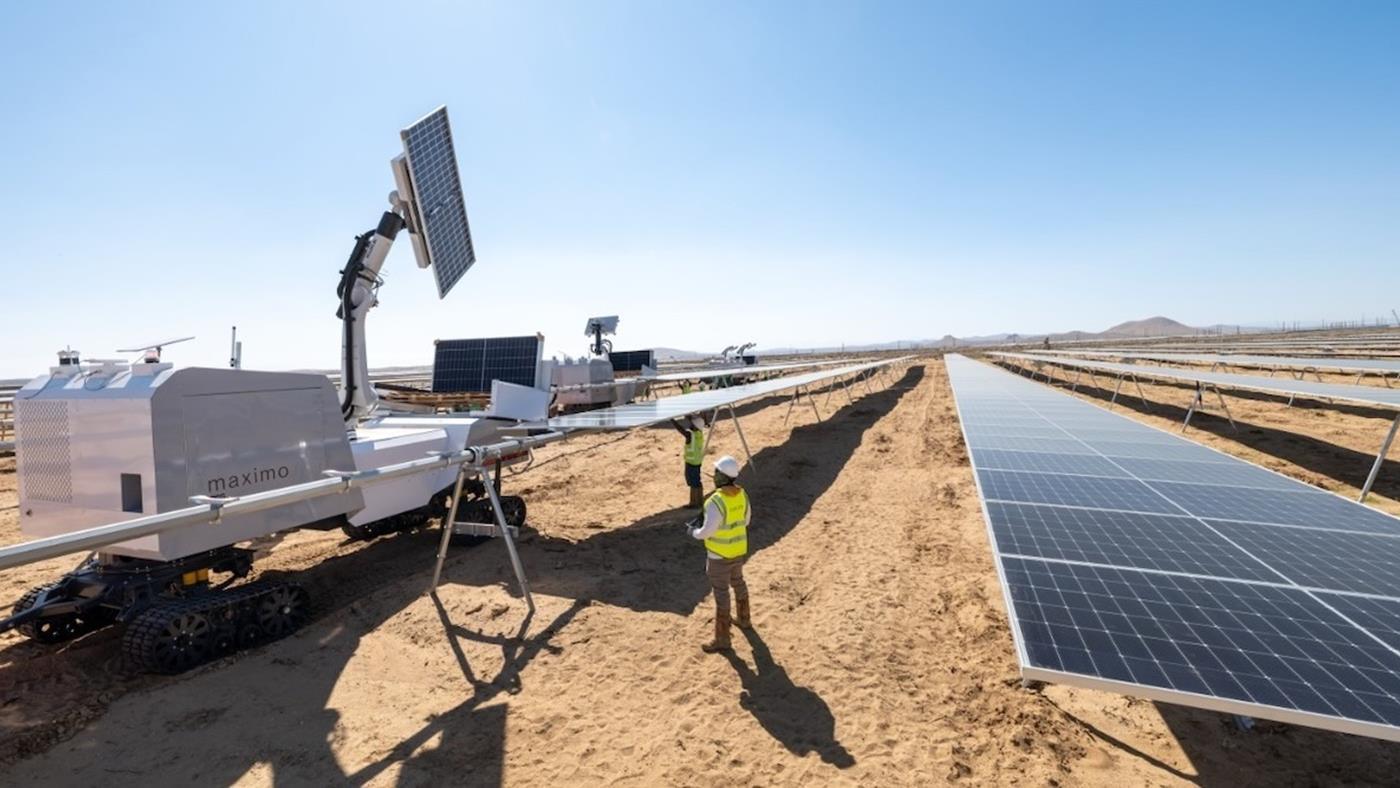
 ABD’nin Mojave Çölü’nde Maximo robotları, AES’in Bellefield tesisinde 100 MW’lık güneş paneli kurulumunu tamamladı. Robotlar sayesinde kurulum süreci 2 kat hızlandı.
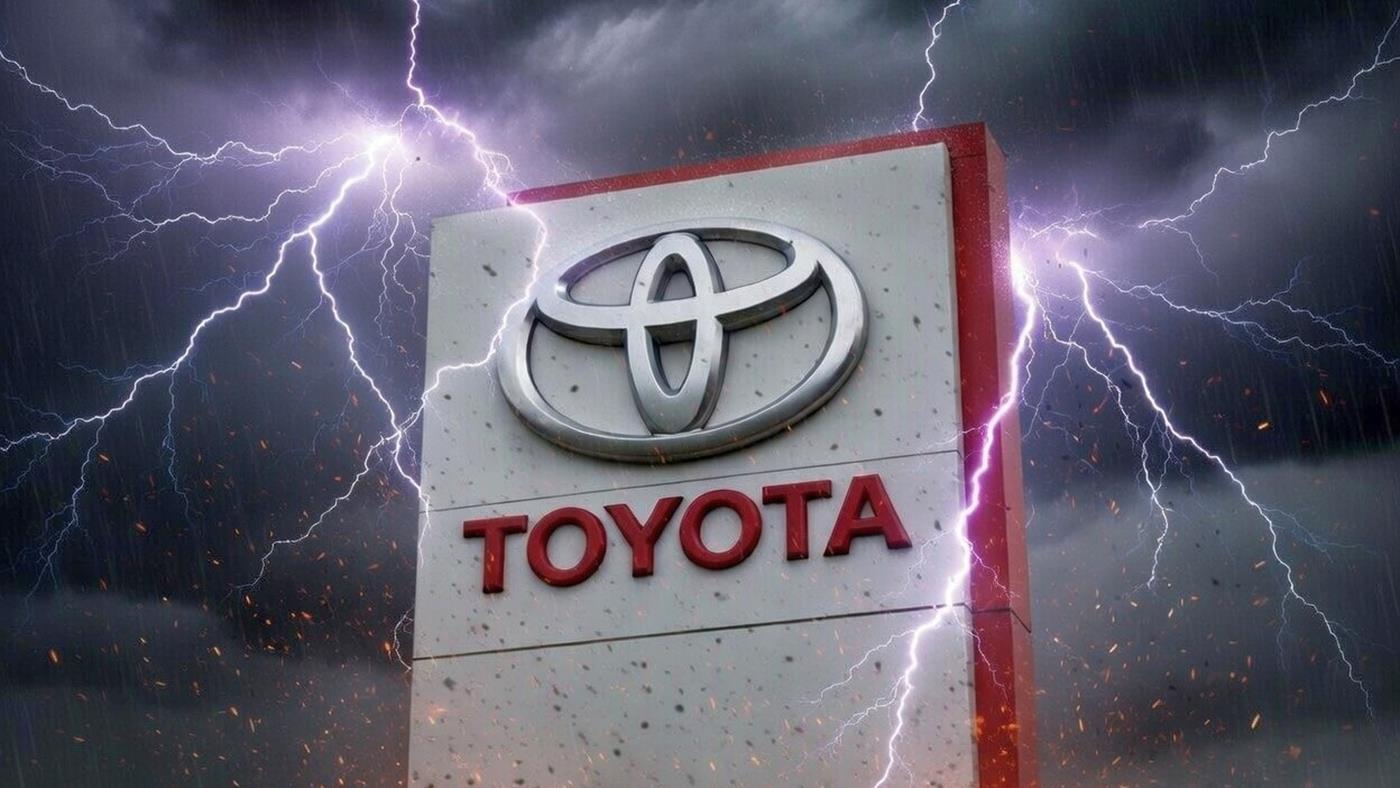
 Toyota’nın üst yönetimi, yüzlerce tedarikçiye şirketin küresel pazarda varoluşsal bir tehditle karşı karşıya olduğu uyarısı yaptı. Japon marka hayatta kalabilmek için kalite standartlarını esnetecek.
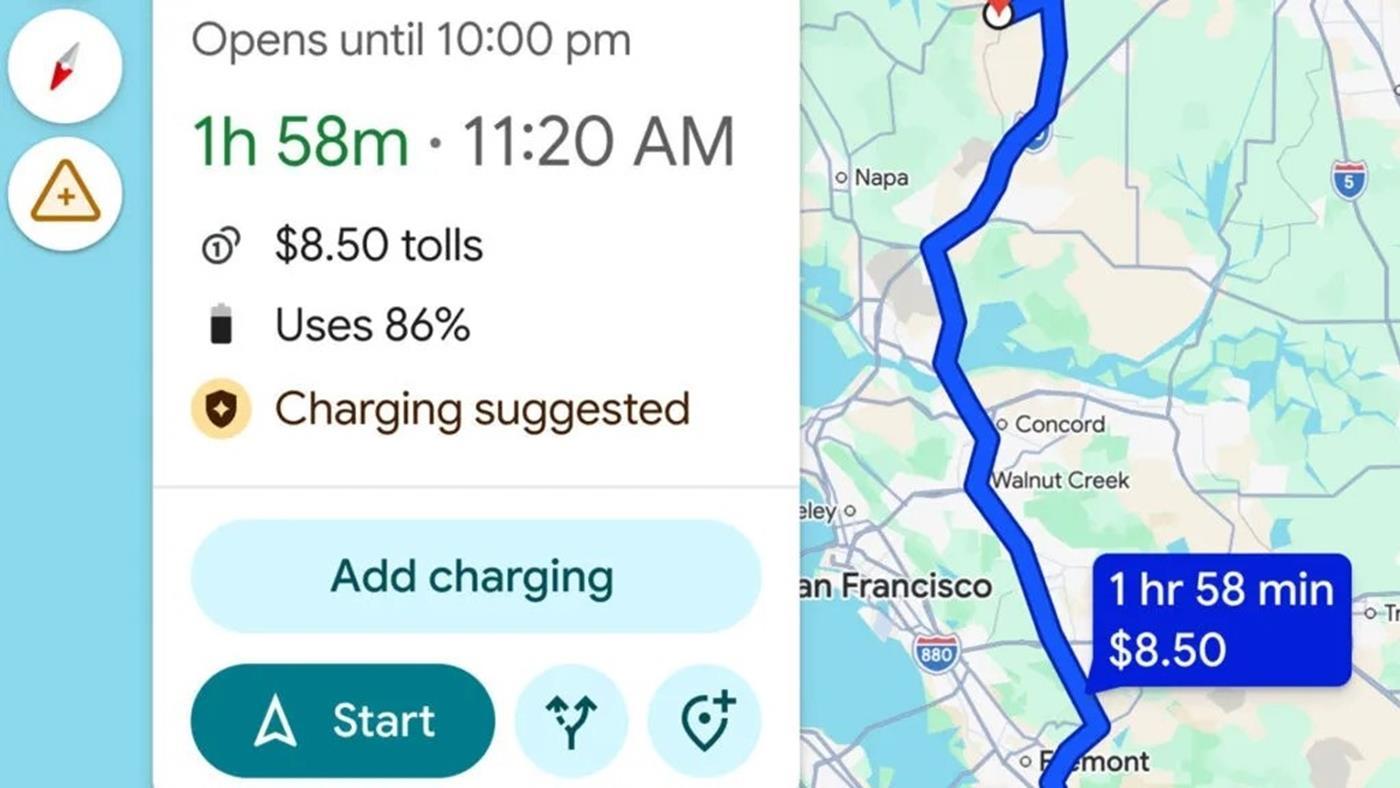
 Google Maps, Android Auto destekli 350’den fazla araç için yeni akıllı rota planlama özelliklerini kullanıma sunuyor. Bu sayede uzun yolculuklar daha az stresli hale gelirken,