Uber Automates Design Documentation with Agentic Systems

Uber’s uSpec uses AI agents and the Figma Console MCP to automate design specs, cutting documentation time from weeks to minutes. Integrated with the Michelangelo platform, it uses a GenAI Gateway for PII redaction, ensuring data stays local. This reflects a 2026 industry shift between Uber’s “Visual-First” Figma workflow and a “Guide-First” approach favored by developers using agentic IDEs.

By Patrick Farry

AI Coding Assistants Haven’t Sped up Delivery Because Coding Was Never the Bottleneck

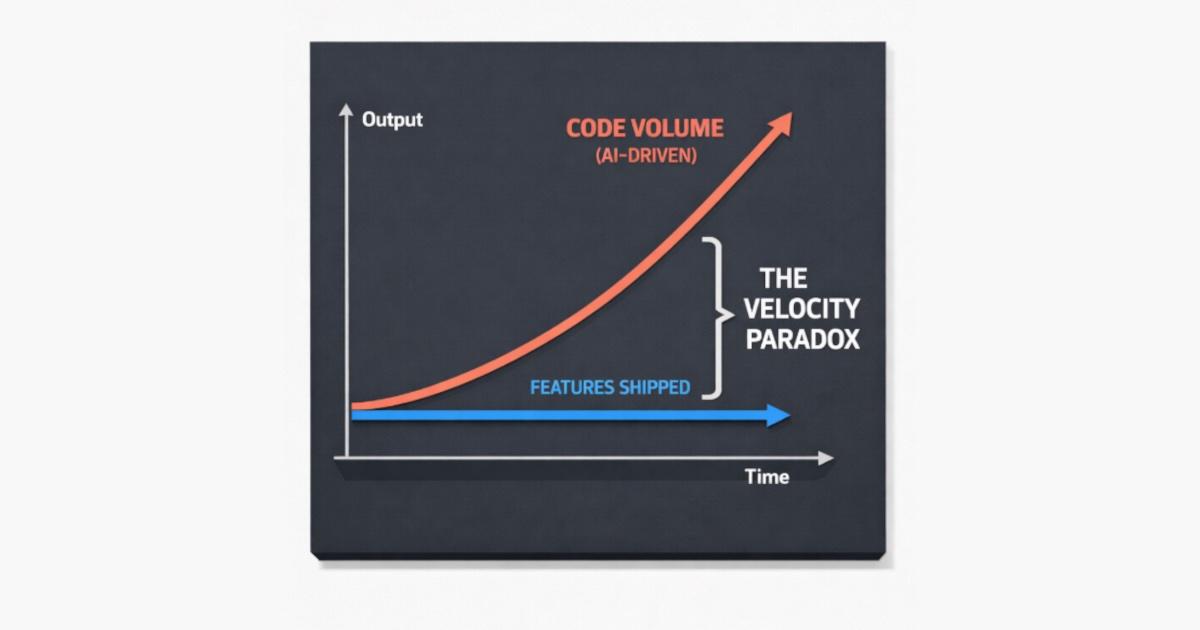
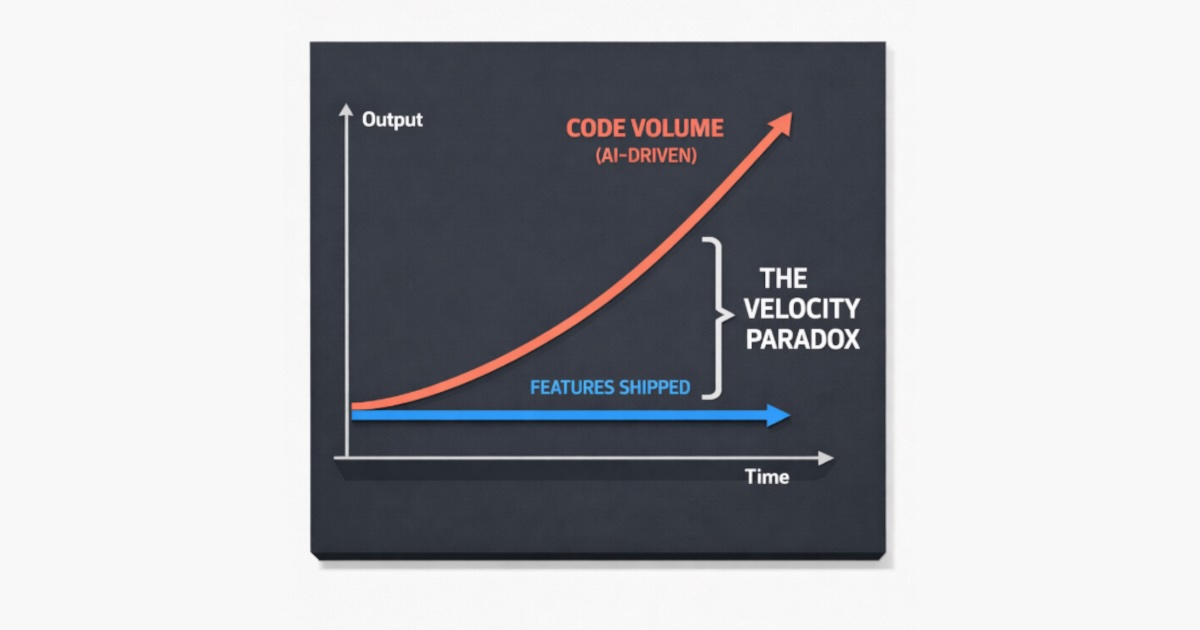
Agoda recently published an observation arguing that while AI coding tools have measurably raised individual developer output, the resulting velocity gains at the project level have been surprisingly modest, because coding was never the real bottleneck. The post claims that the bottleneck has shifted upstream to specification and verification because these areas require human judgment.

By Eran Stiller

Presentation: From Friction to Flow: How Great DevEx Makes Everything Awesome

Nicole Forsgren discusses the “AI Productivity Paradox”, explaining why generating code faster often makes deployment bottlenecks more expensive. She shares the DevEx framework to help architects and leaders systematically remove friction. Learn how to use DORA metrics and RICE prioritization to make a data-driven case for platform health.

By Nicole Forsgren

Article: Lessons from Adopting SwiftUI in an App with 50 Million Users

Most SwiftUI educational content focuses on small projects and sample apps that do not explain what it means to adopt it in a 50 million user app developed by a team of 20+ iOS engineers. This article will attempt to fill this gap. and show how to succeed without breaking your team, your app, or your users’ trust along the way.

By Jimit Patel

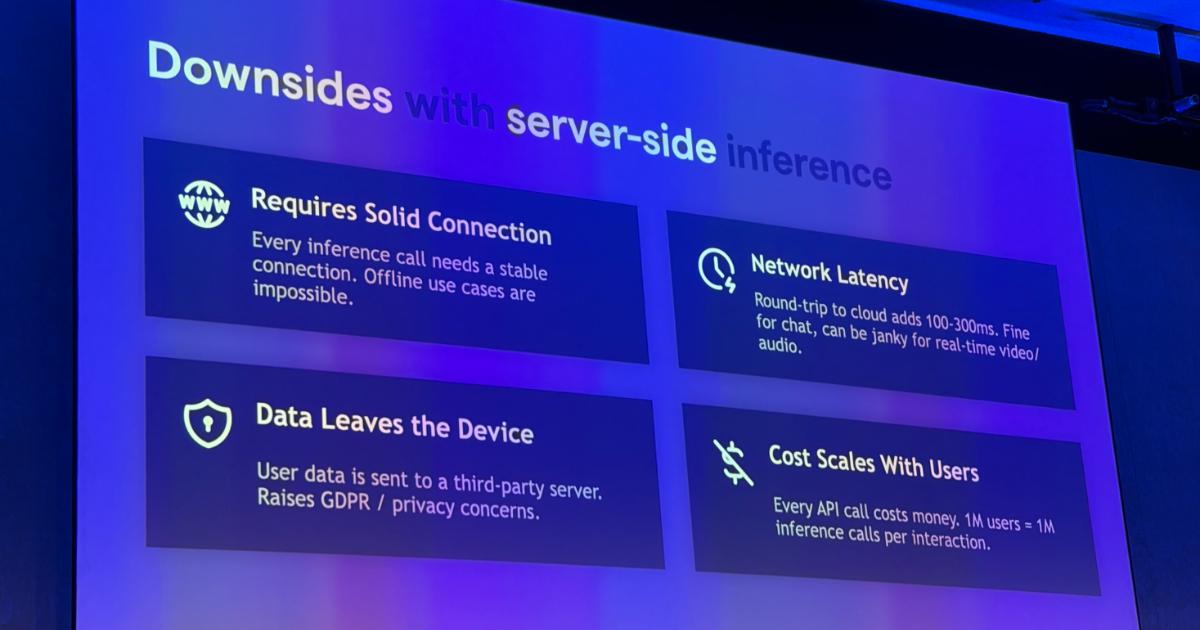
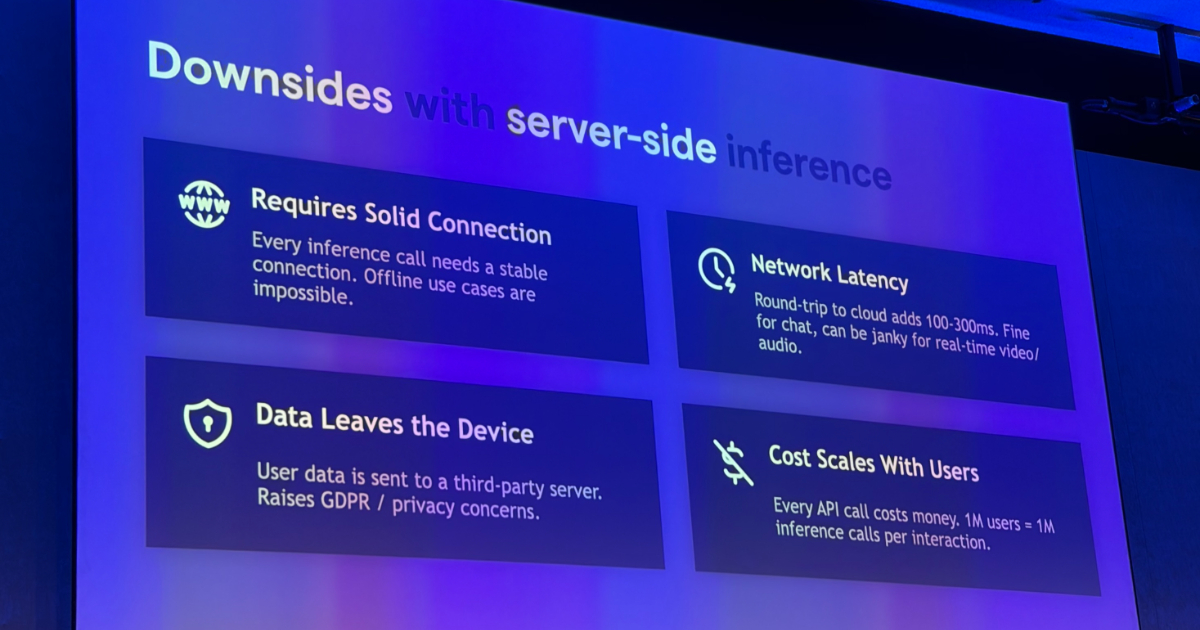
QCon London 2026: Running AI at the Edge – Running Real Workloads Directly in the Browser

At QCon London 2026, James Hall discussed running AI workloads directly in browsers, highlighting local processing benefits such as enhanced privacy, reduced latency and cost. He examined technologies like Transformers.js and WebGPU, illustrated practical applications, and provided guidelines for browser-based AI implementation, emphasizing appropriate use cases and evaluation principles.

By Daniel Curtis

Article: Architecting Portable Systems on Open Standards for Digital Sovereignty

Digital sovereignty is about maintaining control of critical systems by limiting reliance on any single vendor. Open standards and portable architectures reduce lock‑in and keep migration options open, even when providers change pricing, licensing, or viability. Full independence is impossible, but disciplined design and clear guardrails strengthen resilience.

By Jakob Beckmann

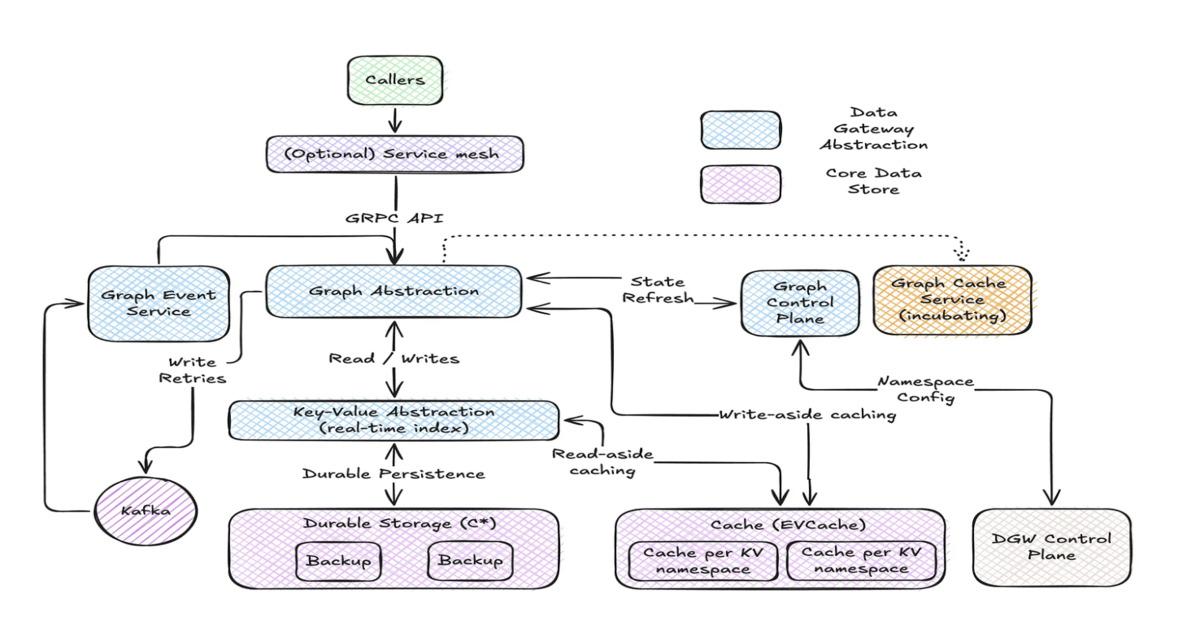
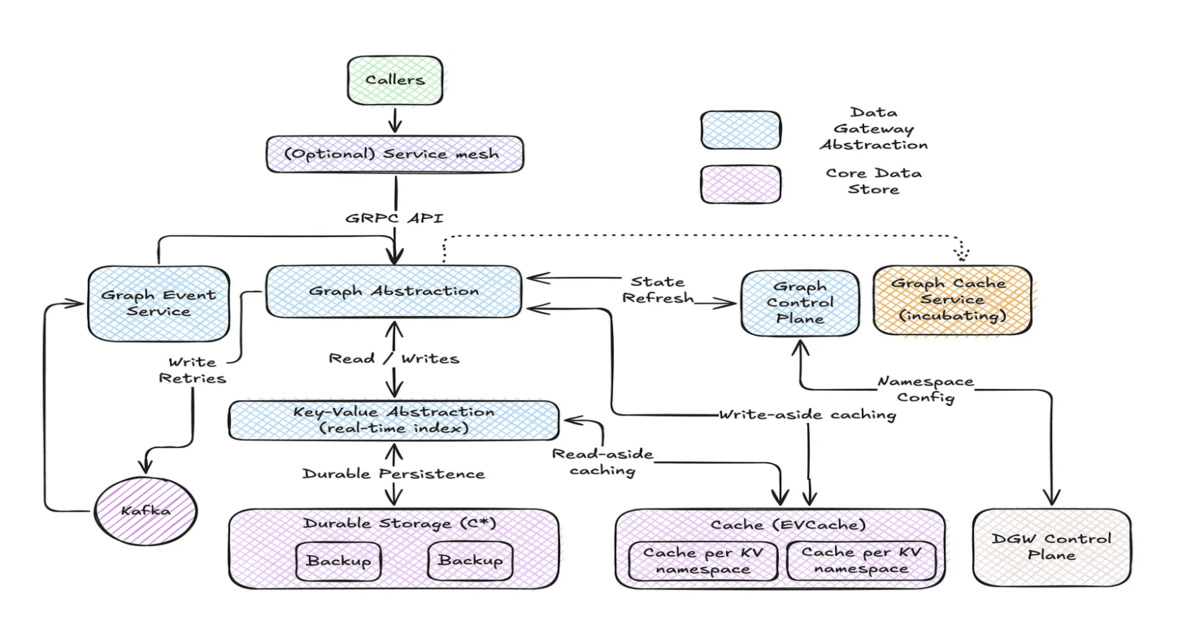
Inside Netflix’s Graph Abstraction: Handling 650TB of Graph Data in Milliseconds Globally

Netflix engineers built Graph Abstraction, a high-throughput platform managing 650 TB of graph data with millisecond latency. Supporting services from Netflix Gaming’s social graphs to operational topology graphs, it maintains global availability via asynchronous replication. This article covers its architecture, caching, and traversal design for high-scale performance.

By Leela Kumili