Every developer knows the feeling. You’re mid-flow on a hard problem, and then — ping. Slack notification. Browser tab with three open PRs. A reminder to respond to that GitHub issue from last week. By the time you’ve processed each interrupt, the mental model you were holding has evaporated. You’re back at square one.
This isn’t a discipline issue. It’s a cognitive architecture issue.
The prefrontal cortex has a fixed working memory capacity — roughly 4 ± 1 chunks at any given moment, according to Cowan’s model. Every context switch burns a portion of that budget. Development work, which demands maintaining deep hierarchical abstractions, is among the most cognitively expensive tasks humans perform. So when tools promise to “help you work smarter,” the meaningful question is: do they reduce the number of active chunks you need to hold, or do they just add one more interface to manage?
That’s the lens I used when looking at the OpenClaw AI agent.
What OpenClaw Actually Does
OpenClaw is a personal AI agent platform. It runs on your infrastructure (or theirs), connects to your tools — browser, terminal, files, messaging — and handles tasks that you’d otherwise have to juggle yourself. The agent can browse the web, execute code, read and write files, send messages, and chain those actions together without you micromanaging each step.
Compared to a standard chatbot, the difference is meaningful: you delegate a goal, not a query. “Research pricing for X and drop a summary in Slack” is a task. “What’s the pricing for X?” is a query. One frees working memory. The other doesn’t.
Where It Genuinely Reduces Mental Load
Offloading information-gathering loops
One of the highest-friction patterns in dev work is the research loop: open tab, read, switch back, compare, open another tab, forget what you were comparing. This burns working memory fast because you’re holding partial findings while hunting for the next piece.
OpenClaw can handle the full gather-and-summarize cycle. You specify what you need, it retrieves and synthesizes, and you get a structured output you can act on. The difference in subjective experience is noticeable — instead of managing five browser tabs, you’re reading one summary.
Reducing decision fatigue around low-stakes choices
Not all decisions are equal. Choosing between two architectural patterns matters. Choosing which format to use for a meeting summary doesn’t. But both consume cognitive resources if you’re the one making them.
OpenClaw handles the second category well. You can set preferences, and it executes within them. The agent takes on the micro-decisions so you don’t have to.
Maintaining context across async work
Async communication is cognitively expensive because you have to reload context every time a thread resurfaces. OpenClaw can monitor channels, summarize what’s happened since you last looked, and flag items that actually need your attention. That’s not a convenience feature — it’s a genuine reduction in the number of context reloads your brain performs per day.
Where the Cognitive Overhead Lives
No tool is without cost. OpenClaw has a real learning curve in the setup phase. Connecting tools, defining workflows, understanding what the agent can and can’t do reliably — that’s a front-loaded investment of mental energy.
There’s also a trust calibration period. You need to spot-check outputs until you’ve built a model of the agent’s reliability across different task types. That’s not unreasonable — it’s the same process you’d go through with a new junior developer — but it’s work.
And occasionally the agent misunderstands scope. Not often, but enough that you can’t fully disengage. You still need to review outputs, especially on anything that touches external communication or code changes.
The Practical Calculus
Here’s the honest breakdown:
Cognitive load reduced:
- Research and information synthesis loops
- Notification triage and async context reloads
- Repetitive task execution (reporting, file organization, routine checks)
- Micro-decisions on low-stakes formatting and scheduling
Cognitive load added (front-loaded):
- Initial setup and tool integration
- Trust calibration across task types
- Prompt design for complex workflows
After a few weeks of use, the net direction is clearly positive for most developers doing information-heavy work. If you’re writing pure code in a focused environment, the marginal gain is smaller. If you’re coordinating across tools, managing communication alongside technical work, or doing any kind of research-heavy development, the reduction in working memory pressure is real.
Verdict
OpenClaw is one of the few AI tools I’ve seen that engages seriously with the task-delegation model rather than the query-response model. That distinction matters for cognitive load. Queries keep the burden on you. Task delegation shifts it.
It’s not magic. The setup investment is real, and you need to stay in the loop on anything consequential. But for developers whose days involve constant context-switching between building, researching, communicating, and triaging — which is most developers — it delivers measurable relief on the working memory front.
If you want to see how other developers are configuring it for their workflows, the OpenClaw community on Skool is worth browsing. A lot of the practical setup knowledge lives there, not in the official docs.
Marcus Reid holds a PhD in cognitive psychology and focuses on how digital tool design affects attention, decision fatigue, and flow states in knowledge workers.


 2026 Cupra Tavascan sahneye çıktı. Yeni giriş seviyesi, 435 km menzil, hızlı şarj, dijital kokpit ve V2L teknolojisiyle elektrikli coupe SUV segmentinde iddiasını artırıyor.

 Türk Telekom CEO’su Ebubekir Şahin, 1 Nisan itibarıyla 81 ilde 5G şebekesi sunulacağını vurguladı ve 5G ile geleceğin inşa edileceğini ifade etti.
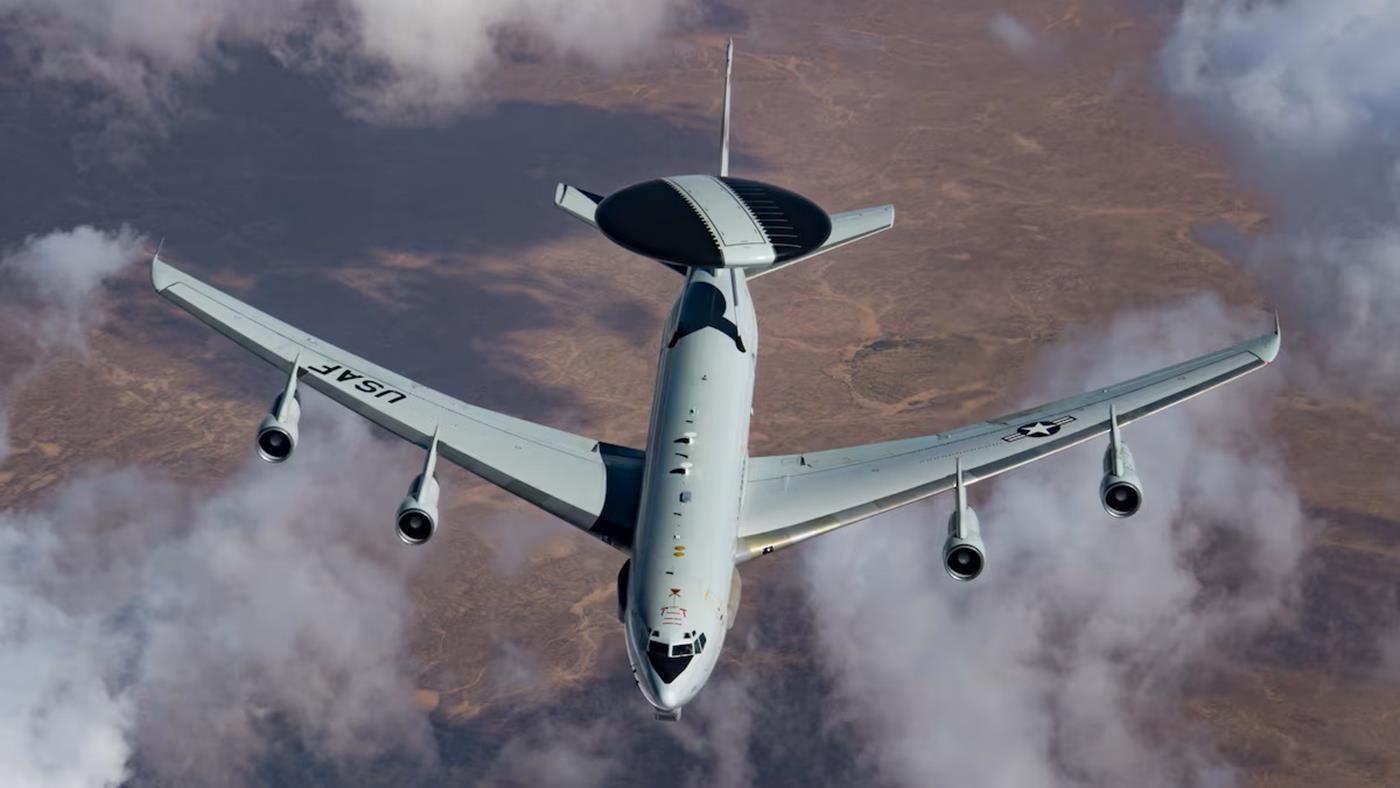
 İran saldırısı sonucunda ABD’ye ait E-3 Sentry uçağı yok edildi. Peki bu ABD için ne anlama geliyor? E-3 Sentry AWACS uçağı nedir, neden bu kadar önemli ve değeri ne kadar?

 Hepsiburada tarafından Instagram’da yapılan paylaşıma göre yeni nesil Motorola telefonlar resmi olarak Türkiye’ye geliyor. Henüz tüm detayların aktarılmadığı bu gelişme ilk olarak İndeks Bilgisayar şirketinin KAP bildirimi ile gündeme gelmişti: “Şirketimiz ile Lenovo Ireland International Ltd. arasında Motorola markalı cep telefonları ve cep telefonu aksesuarları ürünlerinin Türkiye distribütörlüğü konusunda görüşmelere başlanmıştır. Motorola, 1928’den beri tasarımla varlığını sürdüren ve kullanıcılarının dünyayı keşfetme, paylaşma ve bağlantı kurma biçimlerini dönüştüren global bir markadır. Markanın amacı, günlük yaşamı herkes için daha kolay ve daha keyifli hale getirmek için daha geniş bir mobil cihaz ve hizmet yelpazesi sunmaktır.” Daha sonra yapılan açıklama ise şöyle olmuştu: “Şirketimiz ile Lenovo Ireland International Ltd. arasında Motorola markalı cep telefonları ve cep telefonu aksesuarları ürünlerinin Türkiye distribütörlüğü konusunda görüşmeler olumlu sonuçlanmıştır. Motorola, 1928’den beri tasarımla varlığını sürdüren ve kullanıcılarının dünyayı keşfetme, paylaşma ve bağlantı kurma biçimlerini dönüştüren global bir markadır. Markanın amacı, günlük yaşamı herkes için daha kolay ve […]

 Çinli akıllı telefon üreticisi Vivo, bugün yapılan resmi açıklamaya göre Turkish Cargo ile iş birliği gerçekleştirdi. “Türk Hava Yolları’nın kargo markası Turkish Cargo, global teknoloji liderlerinden Vivo’nun hassas elektronik ürünlerinin dünya genelindeki sevkiyat süreçlerini kapsayan stratejik bir iş birliğine imza attı.” diyen Vivo Türkiye, gelişme hakkında ek olarak şunları aktardı: “Çin’in en çok satan yerel teknoloji markalarından Vivo ile Türk Hava Yolları’nın hızlı büyüyen hava kargo markası Turkish Cargo arasında teknoloji ürünlerinin küresel çapta güvenli ve hızlı bir şekilde taşınması amacıyla iş birliğine gidildi. İş birliği kapsamında, Turkish Cargo’nun hassas gönderilere özel sunduğu TK Vulnerable hizmeti kullanılacak. Bu sayede Vivo, hassas elektronik ürünlerini dünya genelindeki müşterilerine daha hızlı ulaştırırken hasar riskini de minimuma indirecek ve uluslararası pazarlara daha etkin şekilde erişim sağlayacak. Elektronik ürünlere yönelik küresel talep hızla artarken, güçlü ve güvenilir lojistik çözümleri artık her zamankinden daha kritik bir rol oynuyor. Hassas ve yüksek değerli ürünlerin taşınması özel bir […]