
The Antigravity Paradox
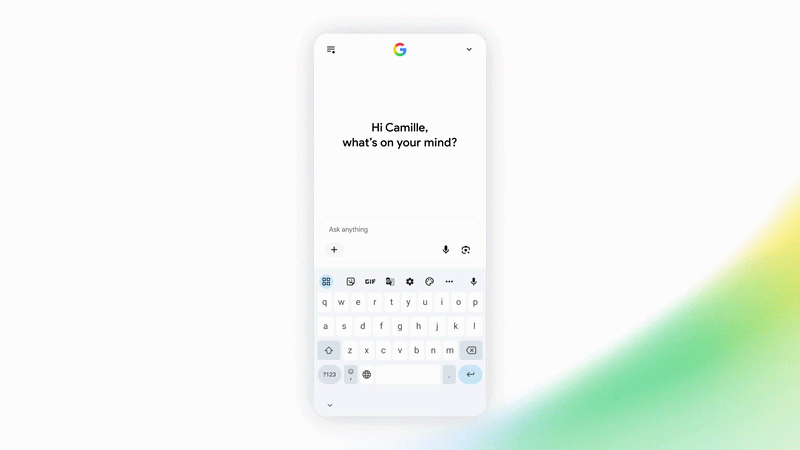
Google’s rollout of Antigravity 2.0 marks a massive paradigm shift in the agentic tool space. Officially launched as a standalone desktop application, Antigravity 2.0 strips away the traditional coding environment to deliver a purely “agent-first” experience powered by the latest Gemini models. It introduces features like dynamic subagents, asynchronous task management, and other stuff. However, by packing these sweeping platform changes under the flagship “2.0” label, Google has inadvertently sparked a wave of confusion across the developers.
Antigravity 2.0 is Not the Antigravity IDE
For power users expecting an upgraded development environment, Antigravity 2.0 takes things in a completely new direction. This is not a traditional coding companion tool. In a deliberate move to transition away from local workspace management, Google has completely omitted fundamental developer primitives. In Antigravity 2.0, you cannot:
• Access a file explorer to navigate directories.
• Open a native terminal to execute local commands.
• Manage extensions to customize your environment.
• Utilize Git control for version tracking and branching.
Rather than assisting you as you write code, the interface acts as an orchestrator for high-level tasks, prioritizing “vibe coding” and broad knowledge work over engineering.
The New “Google AI Studio” for the Masses
To understand Google’s true intent, it helps to look at Antigravity 2.0 not as a code editor, but as a successor to Google AI Studio. Google AI Studio has long served as a flexible prototyping environment where developers and non-developers alike can experiment with prompts, tweak model parameters, and test system instructions without being tethered to a local codebase.
Antigravity 2.0 takes that exact philosophy and wraps it in a consumer-facing desktop app. By decoupling the agent from a specific repository and organizing work into multi-folder “projects,” Google is targeting a non-developer audience—enterprises, product managers, and knowledge workers—who want to orchestrate automated workflows via natural language without the daunting complexity of an IDE.
The “Dual-Wielding” Dilemma: A Promised Future?
Google’s official recommendation for engineers is to “dual-wield” both applications side-by-side, using the IDE for development and 2.0 for background automation. But this raises a glaring question: Who actually codes with two IDE applications open at the same time? Swapping windows between two heavily branded, similarly named apps just to separate your terminal from your agent manager is a clunky user experience.
Furthermore, skepticism is brewing over whether Google will keep its promise to support both. Google has already announced that an upcoming release will remove the Agent Manager surface from the Antigravity IDE to make it a purely developer-focused editor. History shows that maintaining two parallel products under the same brand name is rarely a permanent strategy. For a community that adopted the original Antigravity for its seamless, all-in-one agentic integration, splitting the ecosystem feels less like a step forward and more like a platform paradox.
The Bottom Line
The paradox isn’t clever naming — it’s the fundamental contradiction between what was promised (a better Antigravity) and what was actually delivered (a different kind of product wearing the same name).
Source: Google Antigravity Blog – Introducing Google Antigravity 2.0

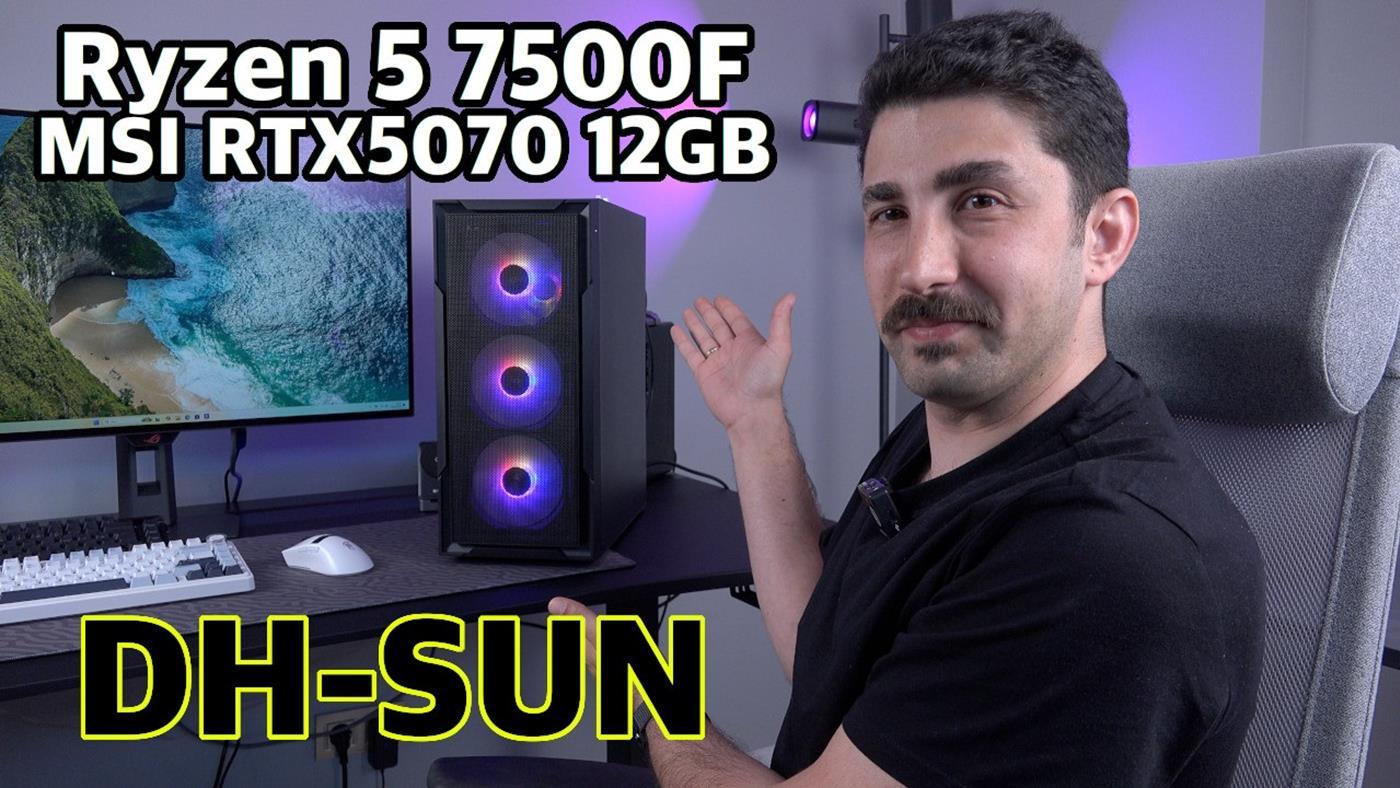
 Bu videoda DH olarak İtopya’da bir araya getirdiğimiz DH-SUN’a yakından bakıyoruz. Kullandığımız donanımlara değinip tablolarla oyun performansını gösterdik, detaylar videomuzda.

 Kingdom Come: Deliverance serisiyle son yılların en iyi RPG oyunlarından ikisini yapan Warhorse Studios, açık dünya Yüzüklerin Efendisi oyununu duyurdu. Ayrıca yeni Kingdom Come oyunu da geliyor.
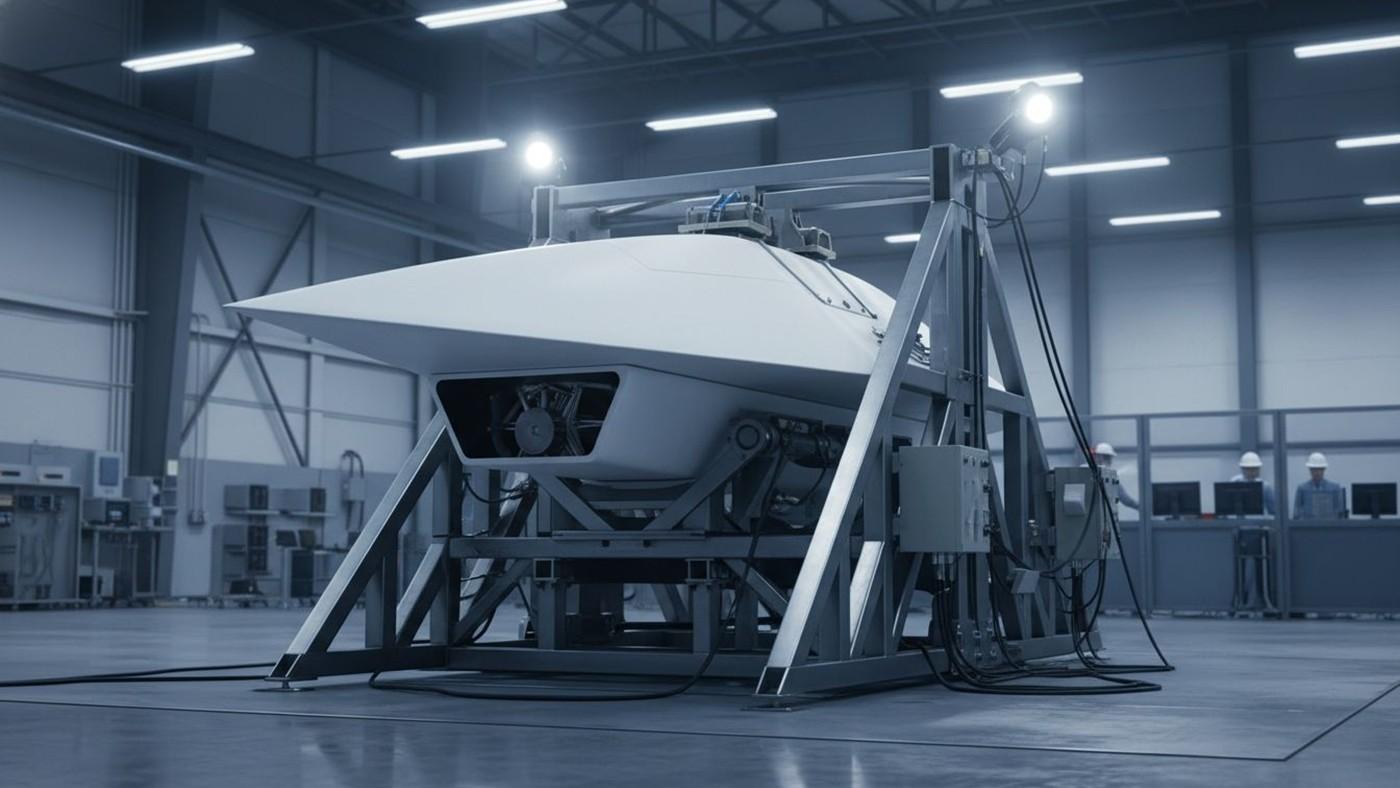
 Japonya, Mach 5 hızına ulaşabilen hipersonik uçaklar için geliştirilen ramjet motorunu başarıyla test etti. Dünyanın farklı yanından gelen projelerle hipersonik yarışı kızışıyor.
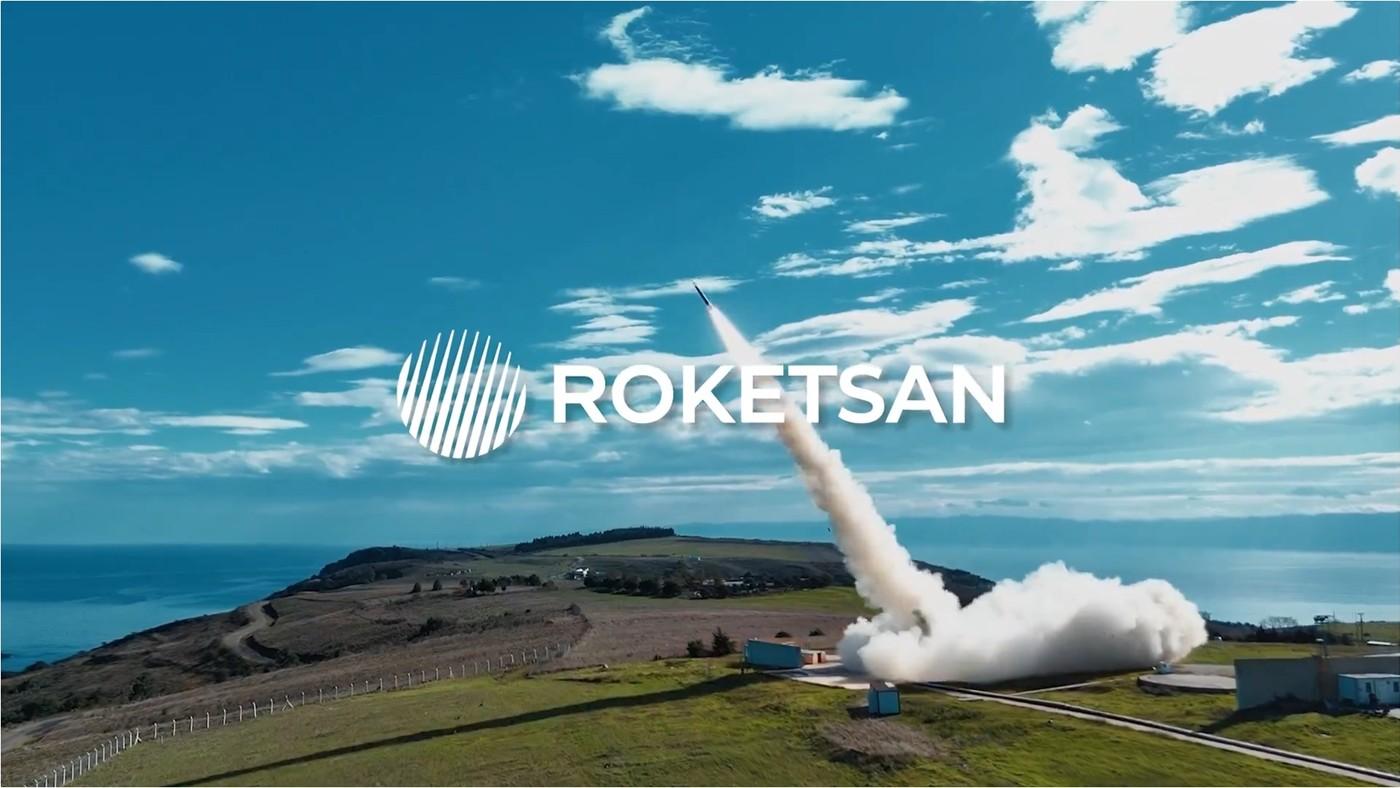
 Milli Savunma Bakanlığı tarafından yapılan açıklamada ROKETSAN tarafından geliştirilen TAYFUN Blok-2 balistik füzesinin ilk kez Türk Silahlı Kuvvetleri envanterine girdiğini açıkladı.
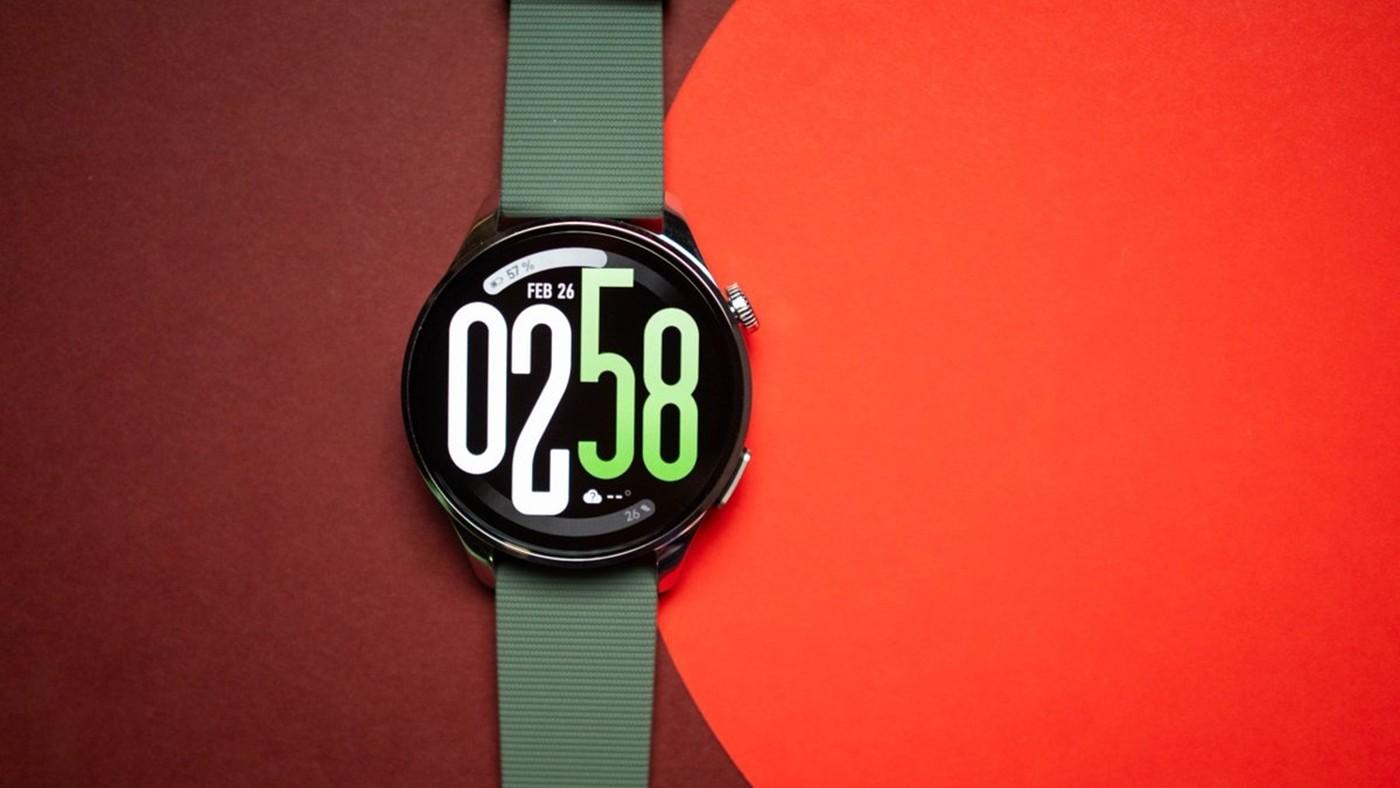
 Google, Android 17 tabanlı Wear OS 7 sürümünü resmen duyurdu. Yeni sürüm; Gemini AI desteği, daha uzun pil ömrü ve yenilenen arayüz özellikleriyle geliyor. İşte yenilikler…
