Vibe coding changed how I build software. I describe what I want, AI writes the code. But there’s a problem nobody talks about.
The 60-80 problem
AI tools generate 60-80% of boilerplate correctly. The remaining 20-40% requires debugging, refactoring, and domain knowledge.
This is where most vibe coders get stuck. The AI builds something that looks right, but under the hood it’s fragile and inconsistent.
My solution: give AI better context
I built KitRocket — a SaaS boilerplate designed specifically for AI coding tools.
The key insight: AI works better when it understands the codebase.
Here’s what that means in practice:
Small files
Every file is under 100 lines. AI tools have context windows — smaller files mean better comprehension.
Consistent patterns
Every module follows the same structure: lib/ → api/ → components/ → hooks/ → types/. Once AI learns one module, it can build another.
Types as documentation
All shared types live in src/types/. AI reads these to understand the data contracts between modules.
Prompt Recipes
This is the killer feature. Each recipe is a markdown file that describes a complete feature:
# Recipe: Add Dashboard

## What this builds
Analytics dashboard with stat cards and charts.

## Files created
- src/app/(dashboard)/dashboard/analytics/page.tsx
- src/components/dashboard/stat-card.tsx
- src/components/dashboard/signup-chart.tsx

## Prompt
You are working on KitRocket, a Next.js SaaS boilerplate.
Create an analytics dashboard following existing patterns...
You paste this into Claude Code or Cursor. The AI reads the architecture context, follows the file paths, and builds the feature correctly.
CLAUDE.md
Claude Code reads this file automatically at the start of every session. It’s under 80 lines and includes: project structure, commands, patterns, and rules.
The tech stack
I chose each tool deliberately:
-
Next.js 15 (App Router) — Server Components, API routes, SSG
-
Supabase — free PostgreSQL, real-time capable
-
Drizzle ORM — lightweight, type-safe, AI-friendly
-
Better Auth — flexible, no lock-in
-
DodoPayments — Merchant of Record (taxes handled globally)
-
Vercel AI SDK — streaming, multi-provider
-
Resend + React Email — beautiful transactional emails
-
Tailwind v4 + shadcn/ui — utility-first, accessible
What I’d do differently
-
Start with one tier. I initially had Starter ($99) and Pro ($199). Two tiers create decision friction. One price ($77) converts better.
-
Build the marketing site separately. The product repo and the sales site are different codebases. Mixing them creates complexity.
-
Invest in Prompt Recipes earlier. They’re the differentiator. Every hour spent on recipes saves buyers 10+ hours.
Results
Just launched. The site is live at kitrocket.dev. Goal is 65 sales in 3 months.
If you’re building a SaaS in 2026 and using AI coding tools — give it a look. The boring part is done.



 İsviçreli Roche, 3.500’den fazla GPU ile ilaç keşfi ve tanı geliştirme süreçlerini hızlandıracak en büyük yapay zeka altyapısını kurdu. Bu “fabrika” Ar-Ge’den üretime tüm süreci hızlandıracak.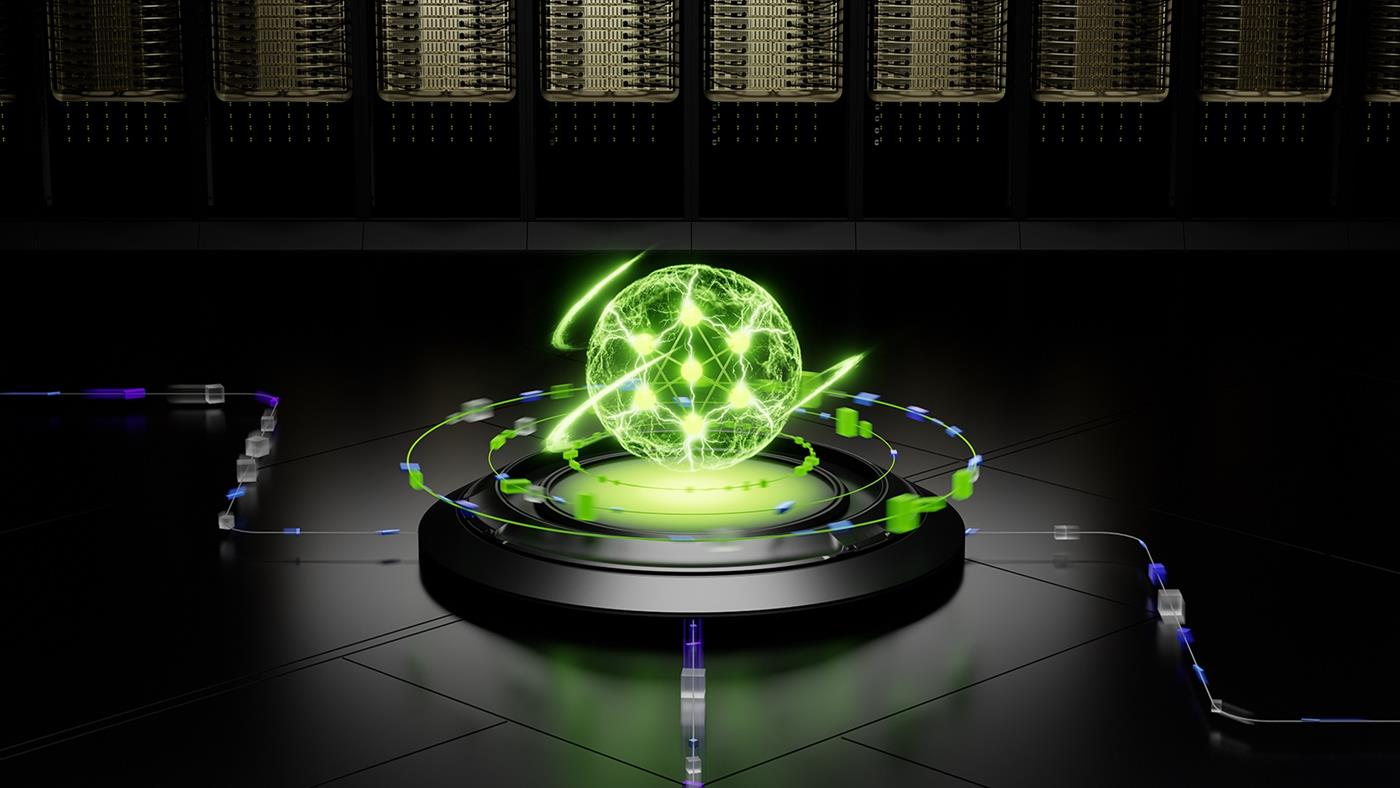
 Nvidia, yapay zeka fabrikaları için Dynamo 1.0 işletim sistemini tanıttı. Platform, 7 kata kadar çıkarım performansı artışı ve açık kaynak yapısıyla geliyor. İşte detaylar…
 Yurt dışından getirilen telefon, bilgisayar ve televizyonlar için 2026 yılında ödenecek maktu ücretler (bandrol ücretleri) açıklandı. İşte Resmi Gazete’de yayımlanan ücretler…
 DS Automobiles, DS 7’nin yerini alan yeni N°7’yi tanıttı. 740 km’ye varan menzil sunan elektrikli versiyon, güçlü teknolojileri ve “first class” konforuyla premium SUV segmentinde iddialı geliyor.
 Popüler mesajlaşma uygulaması WhatsApp’ın misafir sohbet özelliği iOS ve web beta kullanıcılarına açıldı. Hesapsız mesajlaşma dönemi çok yakında başlayabilir. İşte detaylar: