Social Media Automation That Actually Works (Not Just Scheduling)
Let’s face it: most social media automation tools are glorified schedulers. They let you queue up a week’s worth of posts and then…crickets. You’re still shouting into the void, hoping someone notices. That’s not automation; that’s just efficient procrastination.
I wanted something more. I wanted a system that could actually grow my Twitter audience, not just maintain a presence. I’m talking about a system that understands trends, generates engaging content, and actively participates in relevant conversations. And I built it. Over the past three months, I’ve seen a significant increase in followers, engagement, and even website traffic, all thanks to a social media automation setup that goes beyond simple scheduling.
In this article, I’ll break down how I built this system using n8n (a fantastic open-source workflow automation platform), Google’s Gemini AI (for content generation and analysis), and the Twitter API. I’ll share my actual workflows, code snippets, and the growth metrics I’ve achieved.
The Problem with Traditional Social Media Automation
Traditional social media automation tools often fall short because they lack:
- Contextual Awareness: They post the same content regardless of current trends or audience sentiment.
- Content Variety: They rely on pre-written content, leading to repetitive and predictable feeds.
- Engagement Capabilities: They rarely offer automated engagement features, such as responding to comments or participating in relevant conversations.
- Adaptability: They don’t learn from their performance and adapt their strategy accordingly.
Essentially, they treat social media as a one-way broadcast channel instead of a dynamic, interactive platform.
My Solution: AI-Powered, Trend-Aware Automation
My approach focuses on creating a system that:
- Identifies Trending Topics: Uses the Twitter API to monitor trending hashtags and keywords relevant to my niche (in my case, software development and productivity).
- Generates Engaging Content: Leverages Gemini AI to create tweets, threads, and even short video scripts based on these trending topics. The AI also helps tailor the content to my specific audience and brand voice.
- Automates Engagement: Responds to relevant tweets, retweets interesting content, and participates in conversations using AI-generated responses.
- Tracks Performance and Adapts: Monitors key metrics like impressions, engagement rate, and follower growth, and uses this data to refine the content strategy and engagement tactics.
The Stack: n8n + Gemini + Twitter API
Here’s a breakdown of the tools I used:
- n8n: The heart of the system. n8n is a low-code/no-code workflow automation platform that allows you to connect different APIs and services. It’s like Zapier or Make, but self-hosted and much more powerful for complex workflows.
- Google Gemini AI: Provides the AI muscle for content generation, topic analysis, and sentiment analysis. I use the Gemini API to interact with the model.
- Twitter API: Allows me to access Twitter data (trending topics, tweets, user information) and automate actions like posting, retweeting, and responding to tweets.
Building the Workflow in n8n
Let’s walk through a simplified version of my workflow in n8n:
-
Get Trending Topics: This node uses the Twitter API to fetch the top trending topics in my chosen location (or globally).
{
  "name": "Get Trending Topics",
  "type": "twitterApi",
  "config": {
    "operation": "trends",
    "location": "23424977" // US location code
  }
}
-
Filter Trending Topics: This node filters the trending topics to only include those relevant to my niche. I use keywords and regular expressions to identify relevant topics.
// Example JavaScript node to filter trends
const relevantTrends = items.filter(item => {
  const trendName = item.name.toLowerCase();
  return trendName.includes('javascript') || trendName.includes('react') || trendName.includes('programming');
});

return relevantTrends;
-
Generate Content with Gemini AI: This node uses the Gemini API to generate a tweet based on the selected trending topic. I provide a prompt that includes the topic, my brand voice, and the desired length of the tweet.
{
  "name": "Generate Tweet with Gemini",
  "type": "googleGemini",
  "config": {
    "model": "gemini-pro",
    "prompt": "Write a short, engaging tweet about {{ $json.name }} for software developers. Include relevant hashtags.",
    "temperature": 0.7
  }
}
-
Post Tweet: This node uses the Twitter API to post the generated tweet.
{
  "name": "Post Tweet",
  "type": "twitterApi",
  "config": {
    "operation": "tweet",
    "text": "{{ $json.generated_tweet }}"
  }
}
This is a simplified example, of course. My actual workflow is much more complex and includes features like:
- Sentiment analysis: To avoid posting about sensitive topics during times of crisis.
- Thread generation: To create longer, more in-depth content.
- Automated engagement: To respond to relevant tweets and participate in conversations.
- A/B testing: To experiment with different content styles and engagement tactics.
Real Growth Metrics (3 Months)
Here’s a snapshot of the results I’ve seen over the past three months:
- Follower growth: Increased by 45%
- Impressions: Increased by 70%
- Engagement rate: Increased by 30%
- Website traffic from Twitter: Increased by 25%
These results are a testament to the power of AI-powered, trend-aware social media automation. It’s not just about scheduling; it’s about creating a system that actively works to grow your audience and engagement.
Challenges and Considerations
While this approach has been successful for me, it’s important to acknowledge the challenges:
- AI Accuracy: AI-generated content isn’t always perfect. You need to carefully review and edit the content before posting.
- Ethical Considerations: It’s important to be transparent about using AI-generated content and avoid misleading your audience.
- API Rate Limits: The Twitter API has rate limits, so you need to design your workflows carefully to avoid exceeding them.
- Technical Expertise: Building this system requires some technical knowledge, especially in areas like n8n, APIs, and programming.
Conclusion: Beyond Scheduling, Towards Sustainable Growth
Social media automation is more than just scheduling. It’s about leveraging technology to create a system that actively works to grow your audience, engagement, and ultimately, your business. By combining the power of n8n, Gemini AI, and the Twitter API, I’ve built a system that has delivered real, measurable results. It requires effort to set up, some technical knowledge, and ongoing refinement, but the payoff is worth it.
Ready to take your social media automation to the next level? I’ve put together a package that includes my complete n8n workflows, detailed documentation, and personalized support to help you build your own AI-powered social media automation system. Check it out here: https://bilgestore.com/product/social-media-automation


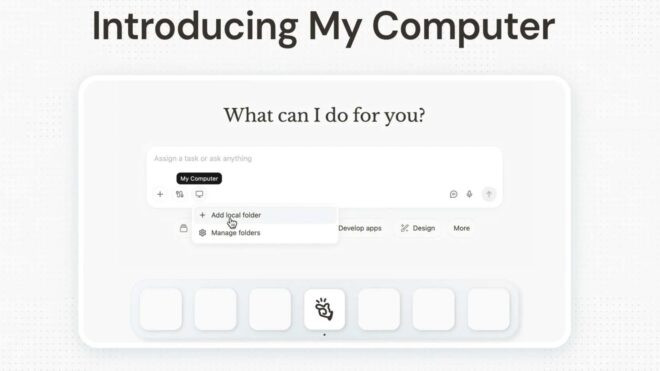
![Manus, "My Computer" adını verdiği yeni yapay zeka sistemini duyurdu [Video]](https://www.log.com.tr/wp-content/uploads/2026/03/2026-03-18_10-57-23_fxHYA-660x371.jpg) Meta’nın satın alarak bünyesine kattığı Manus, “My Computer” sistemini duyurdu. Yeni Manus masaüstü uygulamasının bir parçası olan “My Computer” özelliği; temel olarak bilgisayarı kontrol eden, bilgisayardaki dosyalarla etkileşime girebilen ve çeşitli düzenlemeler yapabilen gelişmiş bir yapay zeka sistemi olarak tanımlanıyor. Bu özellik için yaptığı açıklamada, “Özellik, Manus’u buluttan çıkarıp bilgisayarınıza getiriyor ve yerel dosyalarınız, araçlarınız ve uygulamalarınızla doğrudan çalışmasını sağlıyor. Yeni altyapı kapsamında bilgisayarların terminalinde komut satırı talimatları (CLI) yürütülebiliyor. Bu, yerel dosyaları okumasına, analiz etmesine ve düzenlemesine; ayrıca yerel uygulamalarınızı başlatıp kontrol etmesine olanak tanıyor. Basit gibi görünebilir, ancak komut satırının gücü geniş bir otomatik işlem yelpazesinini önünü açıyor.” diyen şirket, özelliğin bugün itibarıyla tüm macOS ve Windows kullanıcılarına sunulduğunu belirtiyor.
Meta’nın satın alarak bünyesine kattığı Manus, “My Computer” sistemini duyurdu. Yeni Manus masaüstü uygulamasının bir parçası olan “My Computer” özelliği; temel olarak bilgisayarı kontrol eden, bilgisayardaki dosyalarla etkileşime girebilen ve çeşitli düzenlemeler yapabilen gelişmiş bir yapay zeka sistemi olarak tanımlanıyor. Bu özellik için yaptığı açıklamada, “Özellik, Manus’u buluttan çıkarıp bilgisayarınıza getiriyor ve yerel dosyalarınız, araçlarınız ve uygulamalarınızla doğrudan çalışmasını sağlıyor. Yeni altyapı kapsamında bilgisayarların terminalinde komut satırı talimatları (CLI) yürütülebiliyor. Bu, yerel dosyaları okumasına, analiz etmesine ve düzenlemesine; ayrıca yerel uygulamalarınızı başlatıp kontrol etmesine olanak tanıyor. Basit gibi görünebilir, ancak komut satırının gücü geniş bir otomatik işlem yelpazesinini önünü açıyor.” diyen şirket, özelliğin bugün itibarıyla tüm macOS ve Windows kullanıcılarına sunulduğunu belirtiyor.
 YouTube ve FIFA, ABD’de düzenlenecek 2026 FIFA Dünya Kupası için iş birliği gerçekleştirdiğini duyurdu. Bu iş birliği kapsamında YouTube üzerinden maç özetleri, kamera arkası görüntüleri, her maçın ilk 10 dakikası ve bazı maçların tamamı izlenebilecek. 11 Haziran’da başlayacak maçlar için çok sayıda özel içerik üretileceğini belirten platform, merakla beklenen turnuvaya büyük önem veriyor.
 Apple, iPhone, iPad ve Mac’lerdeki WebKit temelli bir güvenlik açığını (CVE-2026-20643) kapatan ilk “Arka Planda Güvenlik İyileştirmeleri / Background Security Improvement (BSI)” güncellemesini yayınladı. Geçtiğimiz saatlerde macOS Tahoe 26.3.1, iOS 26.3.1 ve iPadOS 26.3.1 için yayınlanan BSI güncellemesine ek olarak MacBook Neo’ya özel bir macOS Tahoe 26.3.2 BSI güncellemesi de gönderildi. Şirket bu çok fazla kullanılmayan güncelleme altyapısı için şunları söylüyor: “Arka Planda Güvenlik İyileştirmeleri, tam yazılım güncelleme gerektirmeyerek güvenlik düzeltmelerini kullanıcılara daha sık uygulamaya yönelik yeni bir yazılım sürümü türüdür. Bu yanıtlar, tüm gelecek küçük güncellemelere (yükseltme değil) dahildir ve bir Mac’te uygulanan içerik (/Sistem/Kripteksler/ yolundaki sembolik bağlantılar yoluyla) Ön yükleme disk bölümünde görünür. İşletim sistemini içeren Arka Planda Güvenlik İyileştirmeleri aygıtın yeniden başlatılmasını gerektirir. Mac bilgisayarları için uygulanan işletim sistemi içeriği Safari’nin ve yalnızca ilişkili işlemlerinin yeniden başlatılmasıyla bu işlemlerin kullanımına sunulabilir ancak bu içeriğin işletim sisteminin kalanının geniş kapsamda kullanımına sunulması için yeniden başlatma gereklidir. Arka Planda […]

 Samsung, The Elec tarafından ortaya atılan iddiaya göre Galaxy A ve Galaxy FE serisi bazı telefonlarında CSOT (Chinese manufacturer China Star Optoelectronics Technology) imzalı OLED paneller kullanmaya başlayabilir. Şirketin Çinli şirkette tam 15 milyon adet panel sipariş ettiğini öne süren kaynaklar, Samsung’un bu adımı diğer alanlarda (bellek ve fazlası) artan maliyetleri dengelemek adına attığını belirtiyor. CSOT’un ürettiği OLED panellerin yüzde 20 daha ucuz olduğu söylenirken, şu anda Galaxy telefonlarda doğrudan Samsung Display tarafından üretilen OLED paneller kullanılıyor. Bu sürpriz CSOT kararının şirket içinde gerginliğe yol açtığı da iddia ediliyor. Aktarıldığı kadarıyla Samsung Display bu duruma karşı çıkmaya çalışmış ancak alımı iptal ettirme konusunda başarılı olamamış.