Şanlıurfa'da “Yapay Zeka ve Otonom Sistemler ile Tarımsal Dönüşüm Konferansı” düzenlendi
Şanlıurfa’da düzenlenen konferansta, tarımda yapay zeka ve otonom sistemlerin kullanımı, TEKNOFEST’in önemi ve otonom çiftlik projesi ele alındı.

 Mert

 Stellantis ile Dongfeng arasında kurulan yeni ortaklık kapsamında Çinli Voyah markası artık Avrupa’da otomobil üretecek. Üretim Fransa’da yapılacak, hedef ise AB vergilerini aşmak.
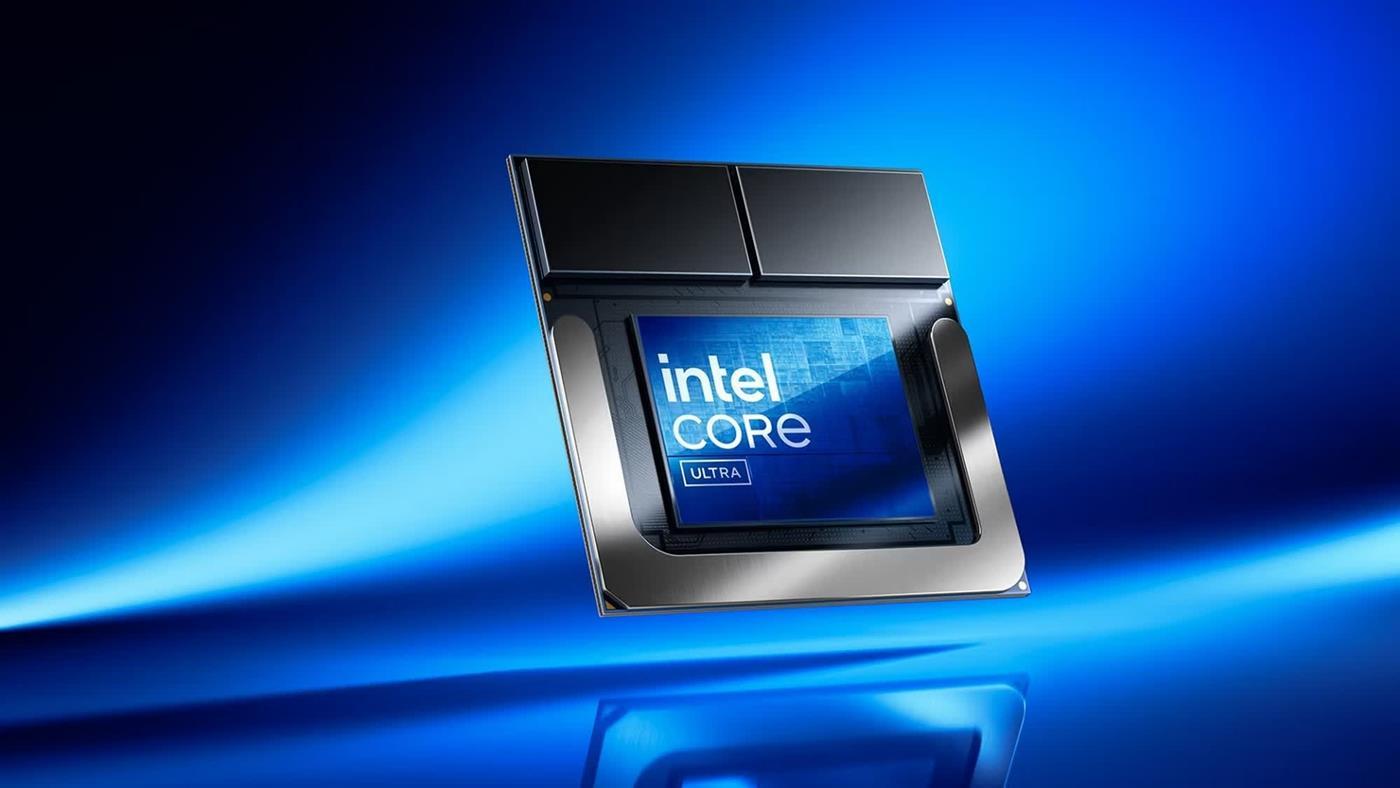
 Intel’in, PC üreticilerini yeni nesil 18A tabanlı işlemcilere yönlendirmek için eski Intel 7 tabanlı işlemcilerin arzını azalttığı ortaya çıktı. Bu da 18A’nın yaygınlaşmasını sağlayabilir.

 Xiaomi, Poco Pad C1 modelini global pazarda duyurdu. Yeni tablet, Snapdagon işlemci, 120Hz ekran, HyperOS 3 ve 7.600 mAh batarya ile geliyor. İşte özellikleri…
AI agents are being built as if the network is a perfect, low‑latency, lossless abstraction… but it isn’t. And as these systems scale, the real failures won’t come from model quality, but from latency, packet loss, protocol behavior, and the messy reality of distributed systems instead. If we want agents that actually work in production, networking has to become a first‑class design concern again.
The Part of the AI Conversation That’s Missing
As of now, the AI world is tightly focused on bigger models, longer context windows, agent frameworks, orchestration layers, and clever prompting. That’s perfectly fine, all interesting. But none of those things matter if the network underneath can’t reliably deliver data.
AI agents all run across:
Multi-cloud fabrics
edge devices
unpredictable wireless links
overloaded paths
real-world latency
And even then, most agent architectures are designed as if the network is a solved problem, but it isn’t and never was.
The Actual Failure Modes Aren’t “AI Issues”, They’re Network Problems
Here are the patterns that continue to show up in modern distributed systems, now amplified by AI workloads:
Latency Amplification
Agents that depend on synchronous calls to remote interference endpoints collapse whenever RTT spikes. A small jump, say 40ms to 120 ms, can turn a responsive agent into a stalled one.
Retry Storms
Agents retry due to their assumption that the service is slow, not the network. Multiply that across dozens of agents, and you get a self-inflicted outage.
Partial observability
Your dashboard can say that everything is green, but your packet capture says otherwise. Retransmits, duplicate ACKs, microbursts, all the concepts that explain behavior, rarely show up in Layer-7-only observability.
Protocol mismatch
HTTP/2 and gRPC work fine until you introduce:
MTU fragmentation
middleboxes
head-of-line blocking
asymmetric routing
Then your ‘fast’ protocol becomes bottlenecked.
Edge constraints
Everyone wants ‘AI at the edge,’ but nobody talks about:
limited bandwidth
inconsistent connectivity
noisy RF environments
small computing budgets
Agents can’t reliably count on shipping huge context windows or raw telemetry upstream.
Practical Advice for Anyone Deploying Agents
Observability Has to Go Below Layer 7 Again
Modern observability stacks are great at, logs, traces, and service metrics. But they’re blind to the things that actually break distributed systems, which are:
What is MTU?
Maximum Transmission Unit (MTU) is the size of the largest protocol data unit that can be communicated in a single network layer transaction. If your AI’s context window data exceeds this without proper fragmentation handling, you see “mysterious” packet loss.
If you want agents that behave predictably, you need visibility into the layers where unpredictability thrives.
This doesn’t mean you have to capture full PCAPs everywhere; even lightweight NIC counters and synthetic probes can reveal the truth just as easily.
Why Rust Keeps Showing Up in These Conversations
Rust isn’t just a “fast” language; it has you think like a systems engineer with its core concepts:
That mindset is essential whenever you’re building telemetry collectors, edge inference runtimes, protocol parsers, or agent‑side networking components.
Rust gives you the tools to build small, reliable pieces of infrastructure that agents depend on.
Where This Is All Heading
Here’s what I expect to see over the next few years:
The teams that understand networking will create the agents that thrive.
Final Thought
Have you run into an ‘AI problem’ that turned out to be a networking issue in disguise? I’d love to hear your stories (and how you debugged them) in the comments below.

react-native-vision-camera-ocr-plus v2 is now released 🎉
This is a major update that adds support for VisionCamera v5 and rewrites the native layer around Nitro Modules.
react-native-vision-camera-ocr-plus provides on-device OCR and text translation for React Native using VisionCamera and Google ML Kit. It supports live camera text recognition, live translation, photo OCR, scan-region cropping, configurable frame skipping, and translation model management.

What’s new in v2:
• VisionCamera v5 support
• Nitro Modules / HybridObjects replacing the old VisionCamera frame-processor/native-module integration
• New Nitro specs, generated bindings, and iOS/Android HybridObject implementations
• Updated JS/TypeScript public API and <Camera /> wrapper
• Public type exports for advanced integrations
• Refreshed package metadata, tests, migration docs, and example app configuration for the VisionCamera v5 / Nitro stack
This is a breaking release because the native architecture has changed significantly. The <Camera /> wrapper should still feel familiar for most use cases, but custom frame processor integrations will need updates.
The biggest migration change is translation. In v1, translate(frame) handled OCR and translation synchronously inside the worklet. In v2, OCR still runs synchronously in the worklet with scanText(frame), but translation now runs asynchronously on the JS thread with translate(text).
v2 also raises the minimum requirements:
• React Native 0.81+
• VisionCamera 5+
• react-native-worklets 0.8.0+
• iOS 15.1+
• Android minSdkVersion 26
• Android targetSdkVersion 36
• Expo 54, if using Expo
• react-native-worklets instead of react-native-worklets-core
If you’re upgrading from v1, please read the migration guide before installing. It covers the new dependencies, VisionCamera v5 changes, hook return type changes, custom frame processor updates, and the new translation flow.
I’d love feedback from anyone upgrading a real app to v2. If you run into bugs, edge cases, confusing docs, build issues, or migration problems, please open an issue so I can track it and improve the release.
Thanks to everyone using the library, opening issues, and helping keep OCR support moving forward for modern React Native apps.
Release: https://github.com/jamenamcinteer/react-native-vision-camera-ocr-plus/releases
npm: https://www.npmjs.com/package/react-native-vision-camera-ocr-plus
Migration guide: https://github.com/jamenamcinteer/react-native-vision-camera-ocr-plus/blob/main/MIGRATION.md
The problem: one webhook per document balloons deploy traffic
When a Sanity editor publishes ten blog posts in a row, the default webhook setup fires ten separate POST requests to your Next.js revalidate endpoint. Each triggers an ISR purge. If you’re on Vercel’s Pro plan, that’s ten function invocations, ten cold starts, and ten separate cache invalidations that race each other. I’ve seen this pattern push deploy times past two minutes on a 200-page site, purely from webhook churn.
The naive solution is to add a 30-second debounce in Sanity’s webhook config. That helps, but it doesn’t solve the core issue: Next.js On-Demand Revalidation expects you to name every path or tag you want to purge. If your blog index depends on all posts, you end up either revalidating /blog once per post (redundant) or writing brittle logic to figure out which paths changed.
Use revalidateTag and a single Sanity webhook
Instead of per-document webhooks, I register one Sanity webhook that POSTs a _type and optional _id payload to a single Next.js route handler. The handler revalidates a tag, not a path. Here’s the setup.
First, the route handler at app/api/revalidate/route.ts:
// app/api/revalidate/route.ts
import { revalidateTag } from 'next/cache';
import { NextRequest, NextResponse } from 'next/server';
import { parseBody } from 'next-sanity/webhook';

const SANITY_REVALIDATE_SECRET = process.env.SANITY_REVALIDATE_SECRET;

export async function POST(req: NextRequest) {
  const secret = req.nextUrl.searchParams.get('secret');
  if (secret !== SANITY_REVALIDATE_SECRET) {
    return NextResponse.json({ message: 'Invalid secret' }, { status: 401 });
  }

  const body = await parseBody<{ _type: string; _id?: string }>(req);
  if (!body?._type) {
    return NextResponse.json({ message: 'Missing _type' }, { status: 400 });
  }

  const tags = [`sanity:${body._type}`];
  if (body._id) tags.push(`sanity:${body._id}`);

  tags.forEach((tag) => revalidateTag(tag));

  return NextResponse.json({
    revalidated: true,
    tags,
    now: Date.now(),
  });
}
The webhook URL in Sanity Studio’s Manage → Webhooks panel is:
https://yourdomain.com/api/revalidate?secret=YOUR_SECRET
Payload is JSON:
{
  "_type": "{{_type}}",
  "_id": "{{_id}}"
}
Trigger on Create, Update, Delete for all document types.
Tag data fetches by document type, not by path
Now, any Server Component that fetches Sanity data must declare the tag in the fetch options. For a blog index:
// app/blog/page.tsx
import { client } from '@/sanity/client';

export default async function BlogIndexPage() {
  const posts = await client.fetch<Post[]>(
    `*[_type == "post" && !(_id in path("drafts.**"))] | order(publishedAt desc) [0...20] {
      _id, title, slug, publishedAt, "author": author->name
    }`,
    {},
    {
      next: {
        tags: ['sanity:post'],
      },
    }
  );

  return (
    <div>
      {posts.map((p) => (
        <article key={p._id}>
          <h2>{p.title}</h2>
        </article>
      ))}
    </div>
  );
}
When an editor publishes a new post, the webhook fires once, revalidates sanity:post, and Next.js purges every fetch tagged with that label. No per-path logic. No race conditions.
For a single post page, I tag both the type and the ID:
// app/blog/[slug]/page.tsx
import { client } from '@/sanity/client';

export default async function PostPage({ params }: { params: { slug: string } }) {
  const post = await client.fetch<Post>(
    `*[_type == "post" && slug.current == $slug][0] {
      _id, title, body, publishedAt
    }`,
    { slug: params.slug },
    {
      next: {
        tags: ['sanity:post', `sanity:${post._id}`],
      },
    }
  );

  return <article>{post.title}</article>;
}
This ensures that if an editor updates a specific post, only that post’s page and the index purge. Other posts remain cached.
Why this cuts deploy noise by 70%
Before this pattern, my typical 150-page site with 80 blog posts would fire 80+ webhook requests during a bulk publish. Each request took 200–400 ms on cold starts. Total webhook processing time: ~25 seconds. Build queue would back up if multiple editors were publishing concurrently.
After switching to tag-based revalidation, the same bulk publish fires one webhook per _type batch. Sanity’s webhook system doesn’t natively batch, but because I’m revalidating by tag, all posts purge from a single sanity:post call. Webhook processing drops to under 2 seconds for the same workload.
Vercel’s function invocation count dropped from 300+/day to ~40/day on a moderately active site. Cold start contention disappeared. Editors see changes reflected in under 10 seconds instead of 30+.
Gotchas
If your homepage aggregates multiple document types (posts, projects, testimonials), you must tag the fetch with all relevant types:
{
  next: {
    tags: ['sanity:post', 'sanity:project', 'sanity:testimonial'],
  },
}
Any publish of those types will purge the homepage. If you forget a tag, the page won’t revalidate and editors will report stale data.
Also, revalidateTag only purges the Next.js cache. If you use a CDN like Cloudflare or Fastly in front of Vercel, you’ll need a separate purge call to their API. I handle that by checking req.headers.get('x-vercel-id') in the route handler and making a secondary fetch to Cloudflare’s purge endpoint if the header is missing (meaning the request came from the CDN, not Vercel’s internal revalidation).
When not to use this
If your Sanity dataset has 10,000+ documents and your pages aggregate data from hundreds of types, tagging every type on every page becomes unwieldy. In that case, consider PPR or a time-based ISR with revalidate: 60 instead of on-demand revalidation. For most marketing and editorial sites under 1,000 pages, tag-based revalidation is the sweet spot.
Date, Time and Location
Jun 25, 2026
9AM Pacific
Online. Register for the Zoom!
Talks will include:
Large-Scale Scene Reconstruction via Local View Transformers
Transformer-based models have advanced 3D scene reconstruction, but their quadratic attention limits scalability to large scenes. We introduce the Local View Transformer (LVT), which replaces global attention with locality-aware attention over neighboring views, conditioned on relative camera geometry. LVT decodes directly into 3D Gaussian splats with view-dependent color and opacity for high-fidelity rendering. Our approach enables scalable, single-pass reconstruction of large, high-resolution scenes.
About the Speaker
Tooba Imtiaz is a PhD candidate in Electrical and Computer Engineering at Northeastern University, working in the Machine Learning Lab.
Lessons learned from running AI workloads in production
He’ll share his “tales from the engine room” – practical insights from operating AI systems at scale, including the challenges of abstraction layers, the realities of data movement and hardware constraints, and how systems thinking is essential for building high-performance, secure, and responsible AI infrastructure.
About the Speaker
Dave Hughes is CTO at Stelia. He was formerly CTO at Genesis Cloud, which pioneered what is now commonly known as ‘neoclouds’, and Principal Engineer/Interim Director of Engineering at Adjust GmbH where he built large-scale data warehousing and processing.
Enhancing Low-Field MRI with Deep Super-Resolution for Improved Nipah Virus Neuroimaging
Advances in deep learning make very-low-field (VLF) MRI systems a viable alternative for in vivo neuroimaging. Zero-shot super-resolution, self-supervised learning, and generative AI were explored to improve the quality of low-field MRI images. We present a framework for the first deployment of a VLF scanner for imaging Nipah virus-inoculated nonhuman primates (NHPs) using a 0.05 T MRI system.
First, a retrospective simulation study assessed the feasibility of imaging NiV infection at low field, followed by a prospective deployment (0.05 T) that enabled longitudinal imaging. The VLF-NiV imaging was characterized by low image quality and included multiple contrasts. A deep learning-based unpaired domain adaptation (CycleGAN) conditioned on acquisition parameters was used to harmonize contrast, and a simulation-based ResUNet model was used to reduce unwanted noise and preserve T2-weighted structural fidelity. We also highlight studies involving zero-shot super-resolution and denoising experiments that are advantageous for accessible neuroimaging.
About the Speaker
Ajay Sharma is a deep learning engineer with a broad background in biomedical image analysis. His research focuses on developing advanced deep learning methods for computer-aided disease detection and diagnosis.
And Now for Something Completely Different with FiftyOne
Often the best way to understand what a tool is truly capable of, is to use in ways it was never intended to be used. This session pushes FiftyOne past its computer vision roots through a series of demos showing how to push the boundaries with FiftyOne. A few practical, some playful, all built with open source code. You’ll see how FiftyOne’s core building blocks generalize far beyond labeled datasets, and leave with patterns and ideas you can take in your own direction.
About the Speaker
Burhan Qaddoumi is a ML DevRel Engineer at Voxel51 and perpetual “new guy” as a life long learner. Active in communities all across the web, eager to help, learn, and share with others that demonstrate initiative, interest, and drive.